
A BMW windshield chip or crack needs an inspection of its size, depth, location, and effect on visibility. Heat can contribute to stress in damaged glass, but it does not make every chip spread immediately or automatically require replacement.
If damage obstructs your view, the glass is unstable, or cracking is worsening in a way that affects safe driving, stop safely and arrange assistance. A photograph can help plan an assessment. It cannot establish exact repairability, structural condition, or clearance to drive.
Protect visibility and arrange an assessment
Inspect from a safe parked position. Do not run a finger over the damage, press on the crack, drill the glass, or inject a DIY product before professional assessment. Leave broken glass and exposed sharp edges alone.
- Take one overall photo showing the damage location and a closer photo without touching the glass.
- Note whether the mark is new, growing, previously repaired, or associated with a recent impact.
- Record any camera, driver-assistance, or rain-sensor warning while parked.
- Provide the model, production year, VIN, and relevant equipment when requesting an assessment.
Do not continue driving just to obtain a better photo or check whether the crack grows. If the driver’s view is compromised, ask about safe assessment or recovery arrangements before moving the vehicle.
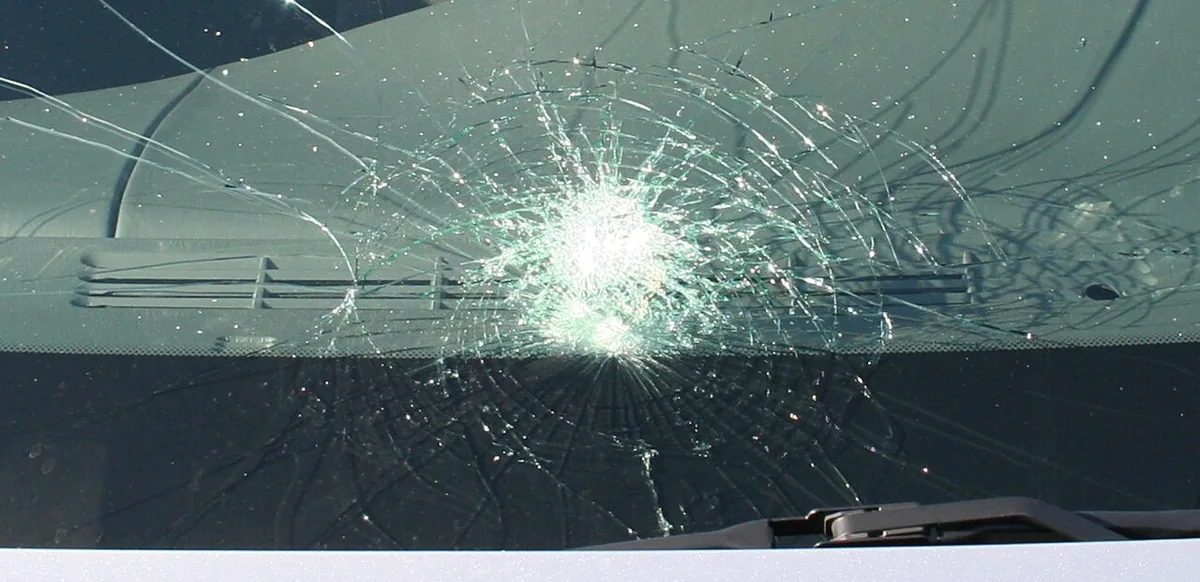
Check what determines repairability
| Inspection factor | Why it matters | Limit of a photo |
|---|---|---|
| Size and damage pattern | The repair method has defined limits for the type and extent of damage | Scale and fine branches may be unclear |
| Depth and affected glass layers | Damage through different layers changes the repair decision | Depth cannot be reliably confirmed from an ordinary image |
| Location and driver visibility | Remaining distortion can affect the view even after treatment | A close-up may hide its position relative to the driver |
| Edge and bonded area | The attachment area and extent of damage need inspection | Trim may conceal part of the affected area |
| Camera and sensor viewing area | Optical clarity and equipment requirements matter | The fitted equipment and field of view may not be identifiable |
| Contamination or previous repair | Existing material and damage history can affect the available treatment | Appearance does not establish internal condition |
A coin-size comparison is not a complete repair rule. Neither is the statement that every edge crack must be replaced under UAE law. The technician needs the applicable vehicle guidance, glass specification, repair-system limits, and actual findings.
Ask which factor makes your glass repairable or unsuitable for repair. A clear explanation should identify the location and condition, not simply describe Dubai weather or the BMW badge.
Understand the role of heat
Temperature changes and mechanical loading can influence an existing defect. The exact response depends on the damage and glass condition. There is no reliable universal countdown from a small chip to a long crack.
Avoid deliberately applying very cold or hot water to damaged glass, and do not heat the area to test it. Use the climate and defogging controls according to the owner’s manual so visibility remains clear. Do not sacrifice visibility to follow an invented AC routine.
Shade parking can reduce direct sun exposure, but it is not a repair. Gentle vehicle use also cannot guarantee that damage will remain unchanged. Arrange inspection rather than relying on a habit to stop a crack.
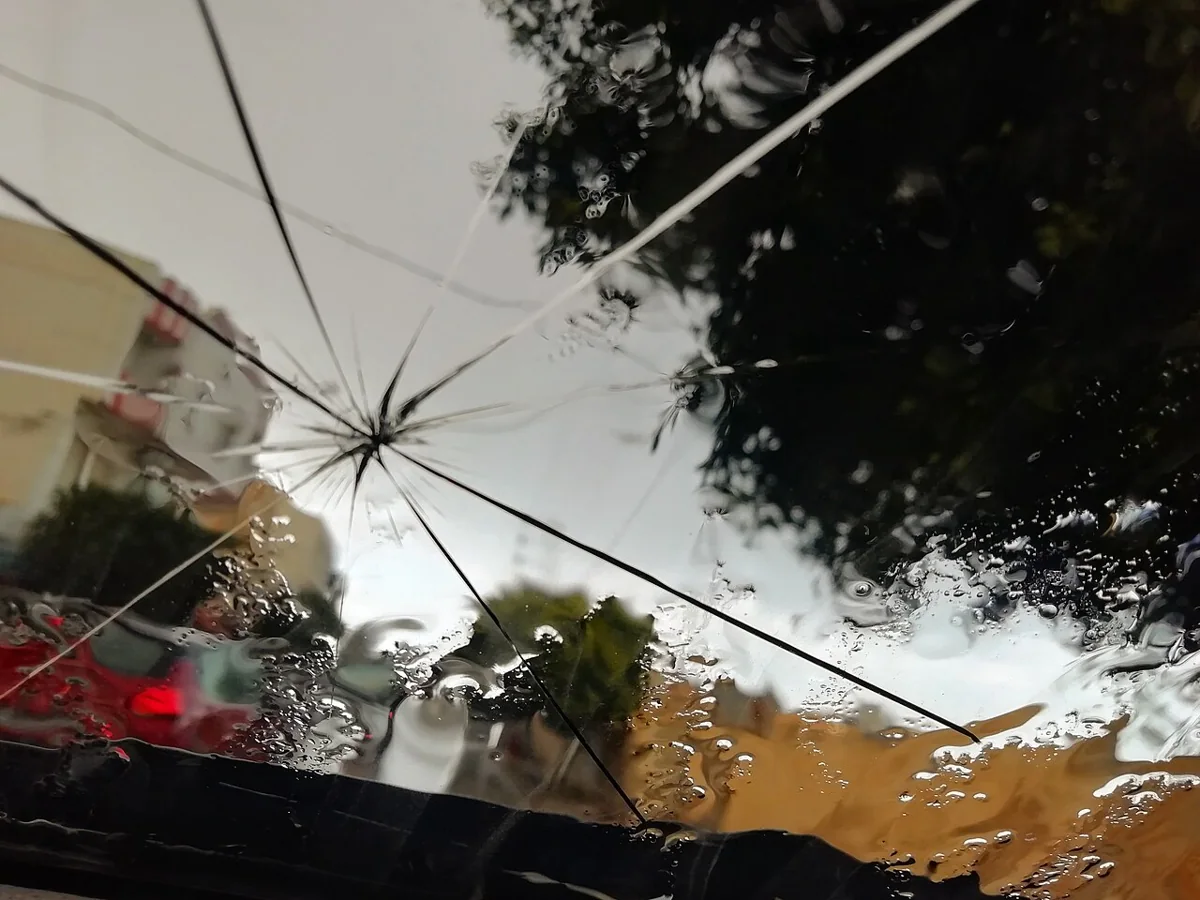
Compare repair and replacement
A professional repair may be appropriate for damage within the relevant limits. The goal is to treat an eligible defect using a suitable process. Do not expect every mark to disappear completely or a photograph afterward to prove structural performance.
Replacement may be needed when the damage, visibility, glass condition, or applicable instructions make repair unsuitable. The decision needs inspection. There is no special BMW-only resin requirement established simply by the vehicle’s brand.
| Option | What should support it | What to confirm |
|---|---|---|
| Repair an eligible chip | Documented location, extent, depth assessment, and compatible process | Expected residual mark, limitations, and written warranty terms if offered |
| Replace the windshield | Inspection findings or applicable requirements that rule out repair | Correct glass, bonding process, required sensor work, and release conditions |
| Investigate a previous repair | New growth, visibility concerns, or a related complaint | Whether further treatment is suitable or replacement is required |
A visible mark after repair is not automatically evidence of failure. New crack growth, unacceptable distortion, water entry, or an assistance warning needs reassessment. Do not assume that repeated repairs are suitable for the same defect.
Match the glass to the vehicle
Confirm the part specification using the VIN and installed options. Depending on the car, the windshield may need the correct camera bracket, head-up display compatibility, acoustic properties, heating features, or rain and light sensor arrangement.
- Identify the glass manufacturer and part specification in the quote.
- Confirm compatibility with the equipment actually installed.
- Explain whether moldings, clips, sensor pads, or other associated parts are included.
- Specify the bonding materials and the applicable installation process.
- State the required checks before the vehicle is released.
Labels such as original, OEM, or equivalent need clarification. A similar outline does not establish identical optical characteristics or sensor compatibility. Ask what specification the offered glass meets rather than relying on the label alone.
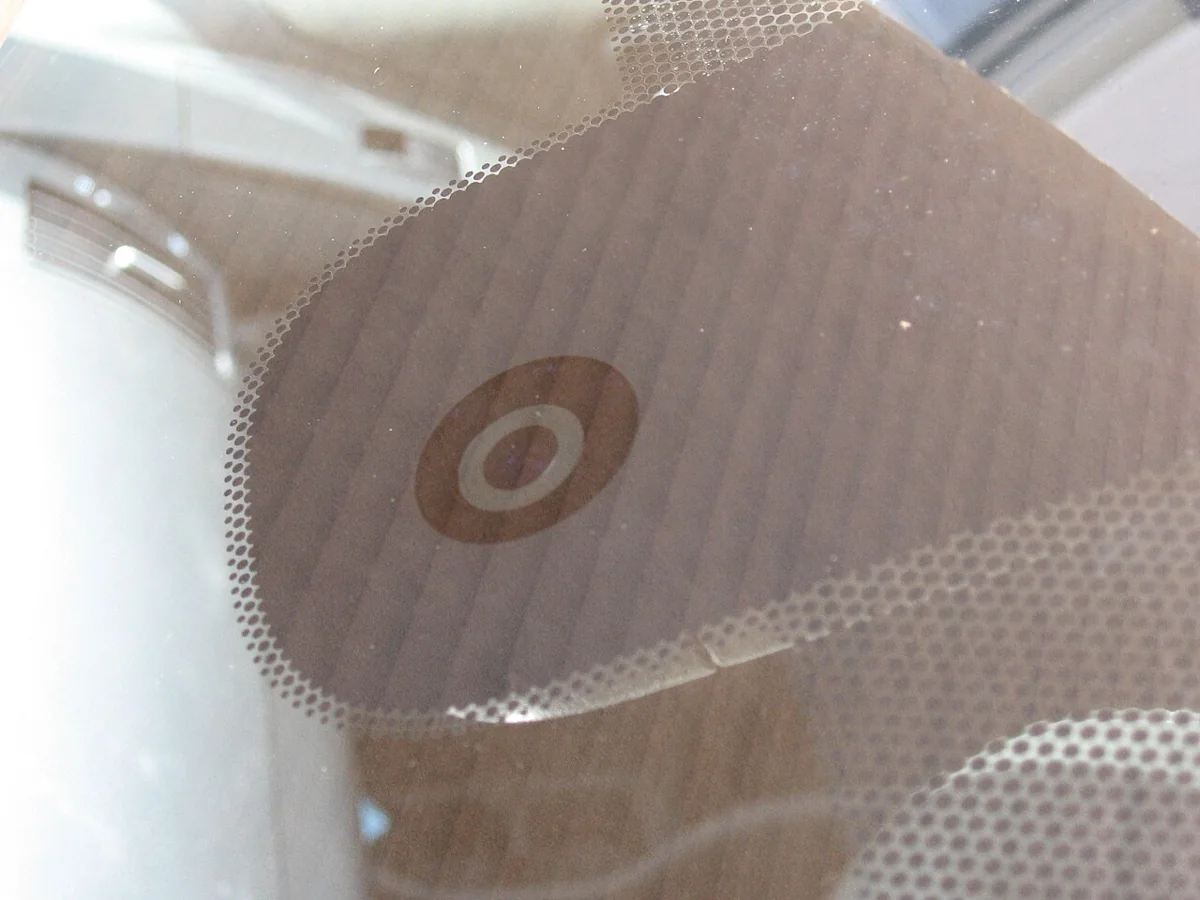
Verify the required camera procedure
Advanced driver-assistance systems, or ADAS, can use a camera mounted behind the windshield. Glass replacement or work affecting that camera may require calibration or other checks under the vehicle-specific procedure. A small chip repair elsewhere does not establish a universal recalibration rule.
BMW’s KAFAS camera mounting and calibration bulletin documents checks for specified F-series and i3 applications with listed assistance options. It shows why bracket seating, camera view, and the applicable calibration process matter.
That 2016 North American bulletin is an example, not the current procedure for every UAE BMW. The technician should identify the installed camera and current instructions. Do not transfer its test conditions to another generation or treat it as an owner calibration tutorial.
Radar is a different sensor system. Replacing windshield glass does not automatically mean every radar unit needs recalibration. Confirm which sensors were disturbed and what the relevant repair instructions require for the actual vehicle.
Ask for the required calibration result or functional check record when applicable. A cleared warning or a clean photo does not substitute for completing the specified process.
Confirm inspection and insurance requirements
Do not rely on a universal fine amount, guaranteed inspection failure, or automatic insurance rejection stated in a blog. Confirm current vehicle-testing requirements with the relevant UAE authority or authorized testing center for your situation.
Before authorizing an insurance job, ask the insurer to confirm coverage, deductible, approval requirements, permitted glass specification, and whether necessary calibration is included. Request written terms. A workshop’s preliminary photo opinion is not an insurer’s coverage decision.
If a report or preauthorization is required, confirm the correct route before work starts. Inspection approval, insurance approval, and technical repairability are separate questions. Meeting one does not automatically settle the others.
Check the quote and handover details
Compare quotations for the same scope. Glass alone is not comparable with a price that includes removal, installation, moldings, sensor work, calibration, and taxes. Ask whether VAT is included and what could change after inspection.
The permitted drive-away time depends on the adhesive system, installation conditions, and applicable instructions. Obtain the actual release time and aftercare in writing. Do not substitute a generic one-hour or same-day promise.
- Check the driver’s view and any head-up display for unacceptable distortion.
- Confirm the glass and trim are secure and the required leak checks are complete.
- Confirm wiper and fitted sensor functions were checked appropriately.
- Keep the invoice, glass specification, and any calibration record.
- Ask how to report water entry, new wind noise, crack growth, or an assistance warning.
For the available service route, request a BMW windshield assessment. Provide photos for preliminary planning, then confirm repairability, scope, and timing after the required inspection.
The practical takeaway: protect visibility first. Choose repair or replacement from the inspected damage and vehicle specification, then verify installation and any required sensor work before returning to normal use.
Common windshield damage questions
Can a photo confirm whether repair will work
No. Photos can show approximate location and visible damage, but depth, optical effects, hidden extent, and previous treatment need closer assessment. Any recommendation from photos should be described as preliminary.
Will using the AC always spread a chip
No. That is an unsupported certainty. Temperature changes can influence damaged glass, but each defect behaves differently. Follow the owner’s climate-control instructions, preserve visibility, and arrange inspection instead of using an unverified cooling routine.
Does every BMW need radar calibration after glass work
No universal rule applies. Identify the camera and other fitted sensors, the work performed, and the current BMW procedure. Required camera calibration should be completed, while radar work needs its own applicable reason.