
If your BMW’s steering does not respond predictably, you cannot hold a safe course, or control has suddenly changed, slow down smoothly and stop in a safe place. Arrange recovery. Do not enter a highway or continue driving to measure how much steering play is present.
Physical steering free play means movement is being lost somewhere between the steering wheel and the road wheels. A light steering feel, tire response, road camber, or alignment can feel different without proving that a joint or rack is loose. Inspection must separate these possibilities.
Decide whether the car should move
| Situation | Immediate action | Assessment needed |
|---|---|---|
| Unpredictable response or inability to hold a safe course | Stop safely and arrange recovery | Steering and suspension safety inspection before road testing |
| Sudden stiffness, binding, or major change in steering effort | Follow the warning instructions and stop safely if control is affected | Mechanical and assistance-system checks |
| A loose feeling after an impact or steering repair | Do not use a highway test to judge safety | Check damage, installation, and security before further travel |
| A mild but new vague feeling with normal control | Arrange prompt assessment and avoid deliberately provoking it | Establish whether there is measurable play or another response issue |
| Visible tire damage or a loose wheel concern | Stop using the vehicle until assessed | Wheel, tire, hub, and related component inspection |
A description online cannot confirm that a particular car is safe to drive. If you are unsure about control, recovery is the appropriate way to reach an inspection. Tell the recovery operator about steering problems, drivetrain type, and any restrictions in the owner’s manual.
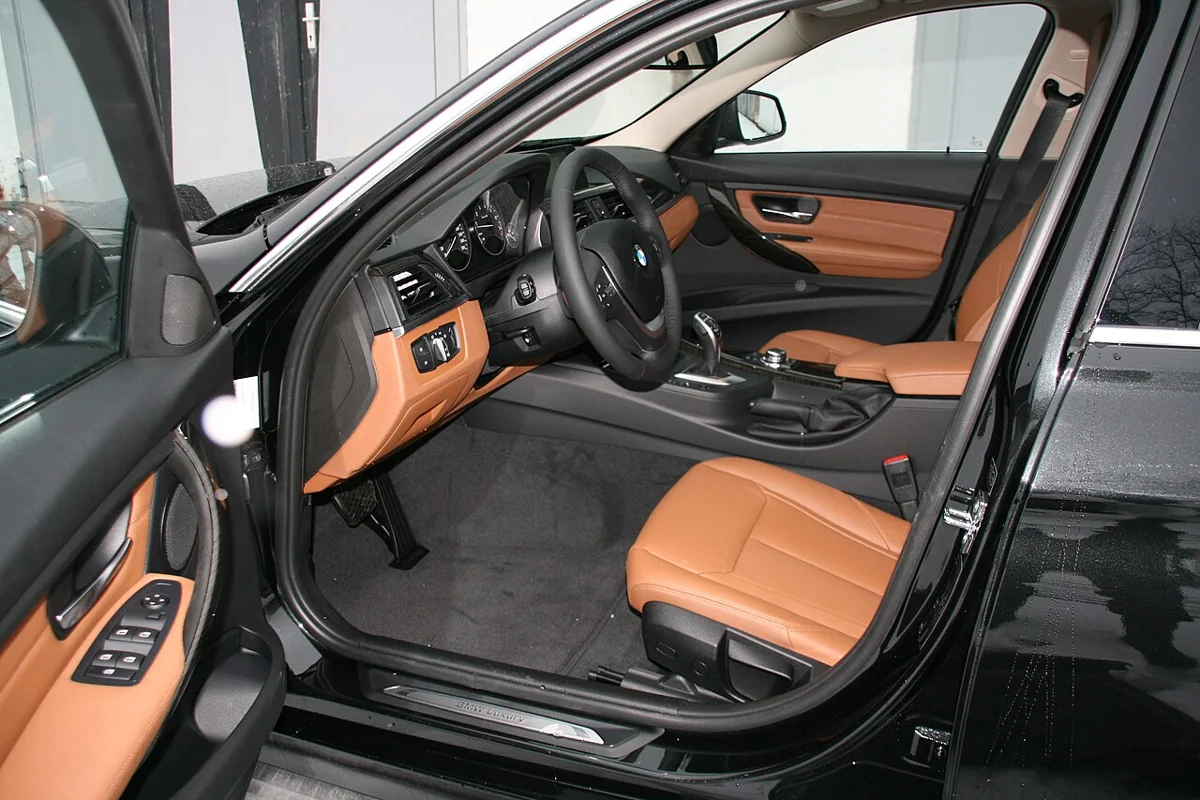
Separate play from other steering symptoms
Steering free play, wandering, vibration, pulling, and loss of assistance are related complaints, but they are not interchangeable diagnoses. Describe what changed without naming the component you think failed.
- Free play: movement at an input is not passed on as expected through a connection.
- Wandering: repeated corrections are needed, potentially involving tires, geometry, joints, or other conditions.
- Pulling: the car tends toward one side, which needs tire, brake, alignment, and mechanical checks as appropriate.
- Vibration: an oscillation is felt through the wheel or body, sometimes linked to speed or braking.
- Assistance change: steering effort changes because of system operation or a fault, without necessarily creating a mechanical gap.
If shaking is the main complaint, compare BMW vibration during driving and braking. A wheel-balance symptom and a loose joint need different evidence, even if both are felt through the steering wheel.
A worn suspension bushing can allow unwanted wheel movement under load. A tire can flex or respond differently because of pressure, construction, or wear. Neither observation should be relabeled as internal rack wear without checking the actual movement.
Record useful details while parked
Make notes after stopping, not while driving. Do not film the steering wheel, release your hands to demonstrate drift, or ask a passenger to encourage another high-speed test. Describe the original event from memory.
- When the change started and whether it followed a curb impact, pothole, tire change, alignment, or repair.
- Whether the concern is free movement, stiffness, pulling, knocking, or shaking.
- Any dashboard message, photographed only while safely parked.
- The vehicle’s VIN, mileage, wheel and tire setup, and recent invoices.
- Whether the behavior changes with braking or road surface during normal driving already completed.
You can check accessible tire condition and cold pressures against the vehicle’s placard where it is safe to do so. A corrected pressure does not clear a suspected steering defect. Do not climb underneath, loosen joints, or attempt to adjust a rack.
Trace movement through the steering system
A workshop locates free play by following how controlled steering input passes through the system. The vehicle must be supported and loaded as the applicable procedure requires. A raised wheel, an unloaded joint, and a loaded joint can show different behavior.
- Check wheel and tire security. Look for damage, inappropriate fitment, and relevant hub or bearing movement.
- Inspect steering linkage. Assess inner and outer tie-rod connections, boots, and attachments using the correct method.
- Inspect suspension movement. Separate designed bushing compliance from excessive movement or damage.
- Check the column and shaft. Inspect relevant joints, couplings, supports, and connections.
- Evaluate the rack. Distinguish mounting movement from internal movement and assistance-related faults.
Ask the technician to identify where input and output stop following each other normally. A steering-wheel sensation, a noise, or a fault code may direct the investigation, but none alone proves that the complete rack needs replacement.
Do not apply a generic allowance measured in degrees or millimeters to every BMW. Acceptable movement, measurement location, test conditions, and the action required must come from the instructions for the fitted steering system.
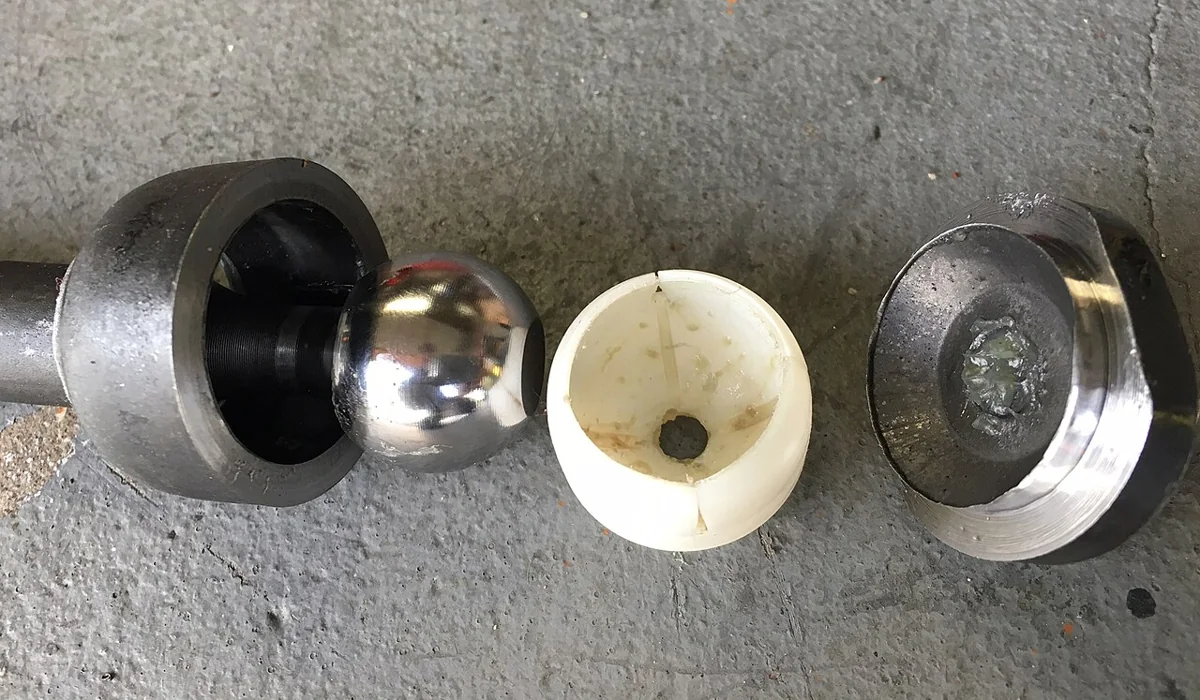
Match checks to the fitted assistance
| System | Relevant workshop checks | Avoid this assumption |
|---|---|---|
| Hydraulic assistance | Correct fluid specification, level procedure, leaks, supply, and mechanical condition | Adding fluid fixes a worn joint or internal free play |
| Electric power steering | Supply voltage, fault context, sensors, motor assistance, and mechanical condition | Every EPS warning requires a new rack |
| Active or variable steering equipment | Identify installed options and follow the relevant setup and diagnostic procedures | A familiar model badge establishes the same hardware |
Electric power steering, or EPS, does not use a hydraulic assistance reservoir. Do not add fluid or use a generic flush as a response to an EPS complaint. Equally, a hydraulic leak should be traced rather than repeatedly topped up without explanation.
Production date, market, options, and component identification matter. Do not assume that all E-series vehicles are hydraulic or that all examples of a newer platform share one steering supplier and repair procedure.
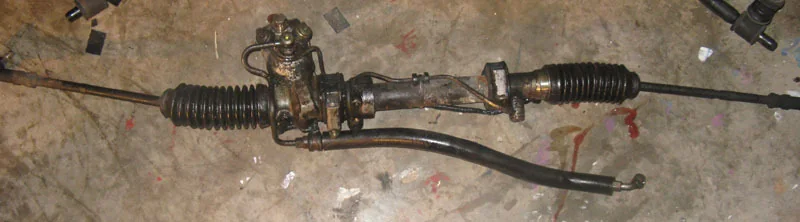
Replace parts according to findings
A confirmed worn tie rod may justify replacement of that part and required associated hardware. A column joint, mounting problem, or tire fault calls for a different repair. Replacing the rack first can leave the real source untouched.
Paired tie-rod replacement is not a universal rule. The decision should consider both sides’ condition and any vehicle-specific instruction. BMW’s steering noise bulletin with tie-rod applicability illustrates why the fitted rack and production date matter.
The March 2023 bulletin addresses a particular noise complaint on listed vehicles with specified EPS equipment. It allows one or both assemblies in its general procedure and gives a specific two-sided instruction for certain early G20 vehicles. It does not diagnose steering play in every BMW.
If rack repair, remanufacture, or replacement is proposed, ask what failed, whether the repair is supported for that unit, and what the part and labor warranty covers. A cheaper unit is not comparable if programming, alignment, or necessary hardware is excluded.
Verify repair before the road test
Mechanical security and the original free-play concern should be checked before driving. Then complete alignment, programming, initialization, or calibration where the fitted system and repair instructions require them. Not every steering job calls for the same electronic procedure.
Alignment sets geometry; it cannot tighten a worn joint. Ask for the relevant before-and-after findings and alignment report when alignment is part of the work. A green printout alone does not prove the mechanical steering system is sound.
A technician may perform a controlled road assessment after establishing safety. There is no need to promise a highway test, and the owner should not be instructed to recreate instability at speed.
Use condition based follow up
Follow the vehicle’s maintenance instructions, maintain the correct cold tire pressures, and arrange checks after impacts, new symptoms, or relevant repairs. Use the approved tire arrangement and rotation instructions; some fitments cannot be rotated in the same way.
Dubai highway use alone does not establish an alignment interval of every few thousand miles. Alignment should be considered when the findings, tire wear, impact history, or repair procedure support it. Heat is not proof that a rack has developed play.
The practical takeaway: impaired steering control means stop and arrange recovery. For a less obvious change, establish the source before buying a rack, paired linkage parts, or repeated alignment adjustments.
Common steering play questions
Can an alignment remove steering free play
No. Alignment can correct supported geometry issues after mechanical condition is established. It does not repair looseness in joints, connections, or the rack. The inspection should separate these concerns before work is authorized.
Does a light steering wheel mean rack failure
No. Assistance settings, tires, operating conditions, and faults can change steering effort. The fitted system needs mechanical and diagnostic checks. Stop driving if the change compromises predictable control.
Can a recall apply to my car
It depends on the VIN, market, and campaign. Check BMW Middle East recall support for the appropriate vehicle-specific route. An overseas bulletin or another owner’s repair does not establish UAE eligibility.