
Start checking BMW cabin rattles with the car parked and loose objects removed. Coins, bottles, charging cables, and unsecured cargo can imitate a trim fault. A noise that remains needs careful localization, not automatic dashboard removal or tightening of nearby bolts.
Keep seat and seat-belt fasteners, airbag covers, roof mechanisms, and hidden wiring out of DIY repairs. If a seat will not lock, steering feels loose, or the noise comes with a change in braking or control, treat that as a safety concern.
Remove loose objects while parked
Park in a safe place, secure the vehicle as its manual directs, and switch it off before sorting the cabin. Keep everything clear of the pedals. Do not reach under a moving seat or disconnect anything beneath it.
- Empty small storage areas. Remove coins, keys, bottles, sunglasses, and loose cable ends from the door bins, cupholders, and console.
- Check removable accessories. A phone mount, dash camera cable, or aftermarket organizer may touch another surface. Remove an accessory only if you can do so without disturbing wiring, sensors, or trim.
- Secure cargo. Check the luggage area, removable cargo cover, and tool storage using the owner’s instructions. Do not leave heavy objects loose to see whether the sound changes.
- Close ordinary compartments. Confirm the glove compartment and console lid close normally. Do not force a sticking latch or wedge material around it.
Make one change at a time. If the noise disappears after a bottle is removed, there is no reason to authorize trim removal for that same sound. If it remains, the parked check still provides a useful baseline.
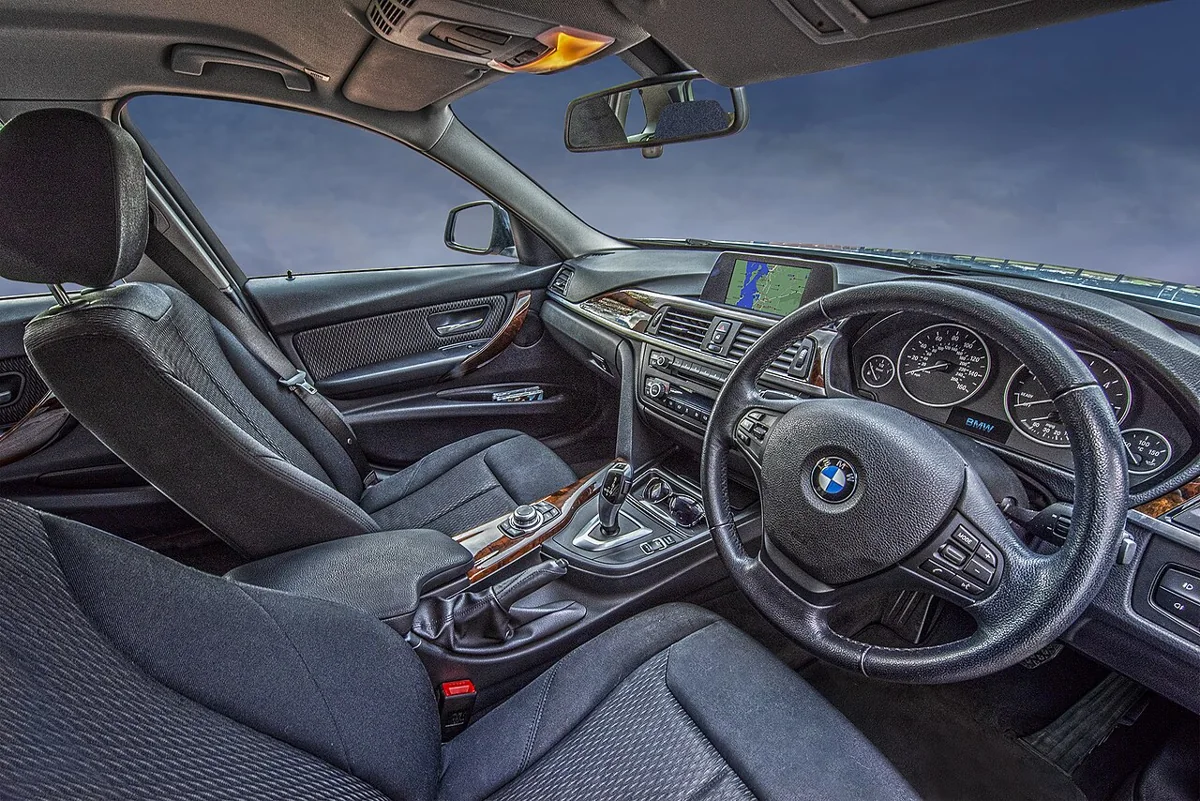
Separate rattles from other symptoms
| What you notice | What it may suggest | Next step |
|---|---|---|
| A light buzz near a storage pocket | An object or contact between nearby surfaces | Clear accessible loose items while parked |
| A sound changes with cabin fan speed | Airflow, a vent, or a blower-related source | Record the setting while parked; do not insert tools into vents |
| A creak near the roof over uneven surfaces | Trim, seals, attachments, or the roof assembly | Request a roof-specific inspection before applying a product |
| A seat shifts or will not lock | A restraint or seat-retention concern | Do not use the affected seat; arrange assessment before use |
| A knock with steering, braking, or a physical shake | A possible chassis, drivetrain, or other mechanical issue | Assess driving safety before further travel |
A sound appearing to come from the dashboard does not prove the dashboard is its source. Noise can travel through the body. A change when a surface is touched is a clue about vibration transmission, not proof that the nearest clip has failed.
If you feel shaking through the floor, seat, or steering wheel, compare BMW vibration at idle speed and braking. That distinction helps keep a mechanical problem from being treated as an interior padding job.
Keep moving observations passenger led
Do not take a special road test if steering, braking, seat retention, or another safety function is in doubt. Otherwise, useful observations can come from normal legal driving. There is no need to seek potholes, repeat hard braking, or drive faster to amplify a noise.
- The driver concentrates on traffic, steering, and braking.
- A belted passenger may note the apparent location and conditions or safely record a short audio clip.
- Neither occupant should lean across the cabin, press trim, reach into footwells, or operate roof mechanisms to investigate while moving.
- If there is no passenger, write the observations after parking. Do not film or use a sound-meter app while driving.
An audio clip can help communicate the complaint, but it cannot measure fastener security or confirm a repair. Phone microphones also change sound levels automatically, so a louder recording does not reliably prove that a fault has worsened.
Record conditions that narrow the search
Useful notes describe when the sound appears and when it does not. Include whether the car was cold or warm, whether it followed interior work, and whether luggage or a passenger was present. Avoid repeatedly reproducing a symptom that affects control.
| Observation | Useful comparison | Limit |
|---|---|---|
| Fan-related buzz | Different normal fan settings while safely parked | Does not identify the blower or duct without inspection |
| Noise after trim work | Area worked on and first date noticed | Timing alone does not prove workmanship caused it |
| Roof-area creak | Roof position during the original event | Do not force, dismantle, or repeatedly cycle a binding roof |
| Cargo-area rattle | Whether it remains after loose cargo is secured | A rear noise can also originate underneath the car |
Run an engine only in a suitably ventilated location. If a parked check requires powered accessories, follow the manual and keep hands away from moving parts. Stop if a control binds, a panel becomes loose, or an electrical warning appears.
Leave safety hardware to trained technicians
Do not tighten seat mounting bolts, seat-belt anchors, steering components, or hidden trim fasteners by feel. Depending on the application, repair instructions can specify replacement fasteners, tightening sequences, torque, and additional checks.
- Do not pry airbag covers, pillar trim, or roof lining.
- Do not push foam into an unknown gap or around a restraint, latch, vent, sensor, or wiring harness.
- Do not unplug seat connectors or probe airbag wiring.
- Do not crawl beneath a vehicle supported only by its emergency jack.
Padding can be appropriate at a confirmed trim contact point, but the material, position, and thickness must suit the vehicle. A technician should first confirm that the panel, clip, and support are intact. Padding should not conceal a broken attachment.
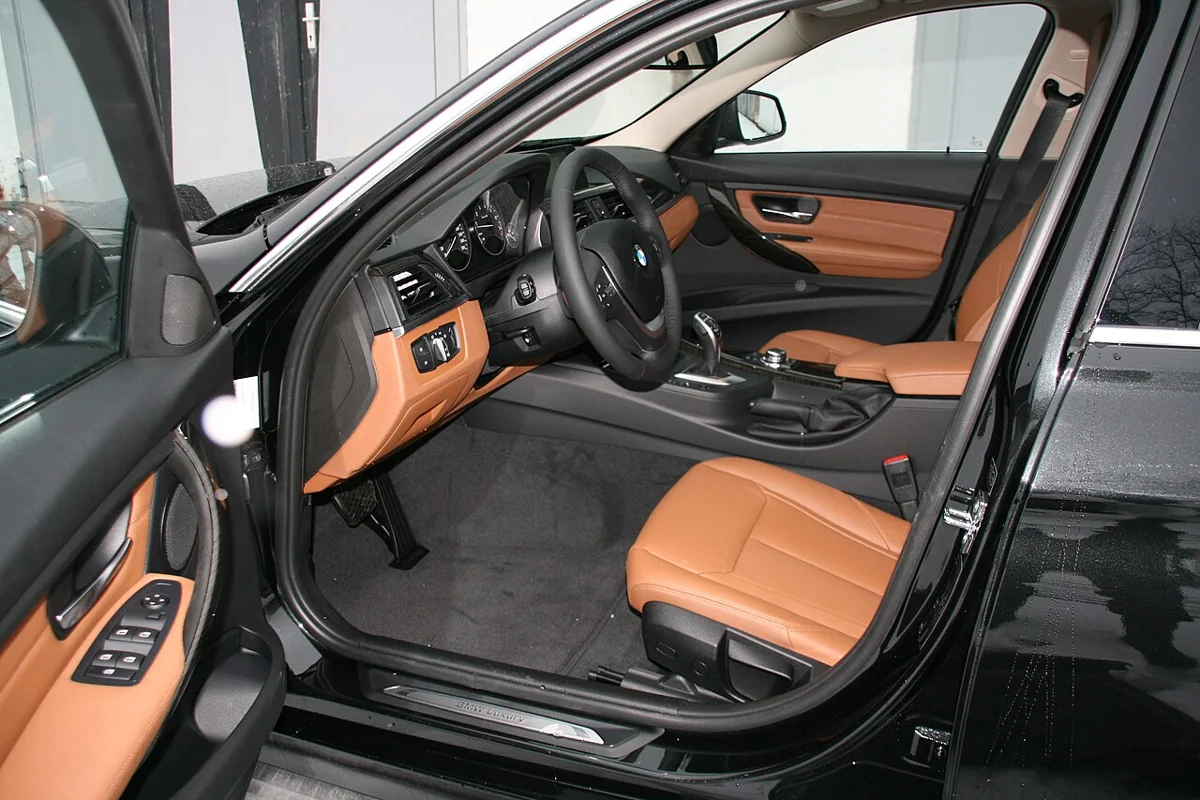
Use the correct roof and trim procedure
There is no universal silicone or PTFE treatment for every BMW sunroof, seal, or trim surface. Use only the cleaning or lubrication procedure specified for the fitted assembly. Applying the wrong product can complicate diagnosis or affect the material it touches.
BMW’s G12 sunroof noise bulletin documents an attachment and bushing repair for a particular complaint. It illustrates why a roof rattle should not automatically be treated as dry rails.
That North American bulletin is a model-specific example, not a repair instruction for every BMW or proof of UAE warranty coverage. The workshop must check the VIN, current repair information, roof equipment, and actual source before applying a procedure.
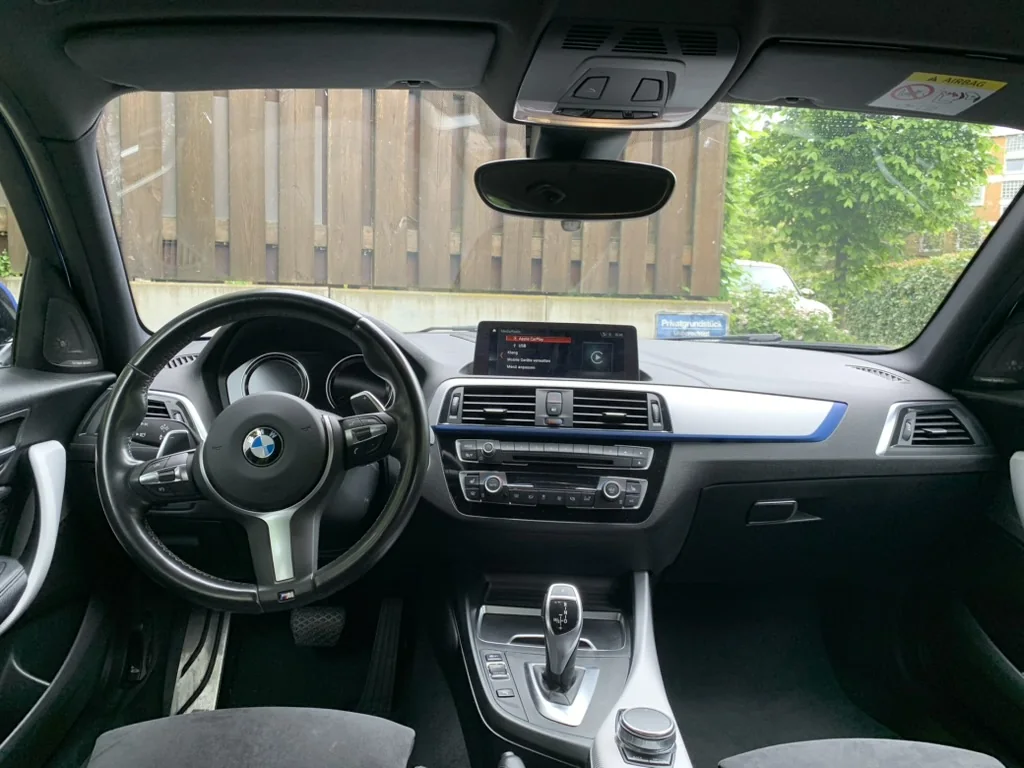
Confirm the source before approving repairs
A useful noise assessment starts with the customer’s description, a safety check, and a plan to reproduce the complaint safely. Selective inspection comes before broad disassembly. Ask which observation connects the proposed repair to the noise you reported.
- Agree on the sound and conditions being investigated.
- Distinguish an interior contact noise from a mechanical vibration.
- Identify the affected attachment, panel, seal, or component.
- Use the applicable repair procedure and explain any required access.
- Repeat an appropriate verification after reassembly.
A clip repair, correct refitting, or removal of an accessible loose object may be enough when supported by the findings. Replacing a large trim assembly needs a separate reason, such as damaged integral attachments that cannot be repaired appropriately.
Agree on the diagnostic scope and any charge before trim removal. Access time can matter more than the price of a clip. An initial listening check and a dashboard removal job are different services and should not be presented as the same fixed-price repair.
Recheck a rattle that returns
A returning rattle does not prove natural aging, and it does not automatically prove poor workmanship. It may reflect a missed source, incomplete attachment repair, another noise, or conditions that were absent during verification.
Record whether it is the same sound in the same place. Ask the workshop to compare the original findings, repair performed, and verification conditions. BMW’s G12 bulletin specifically calls for checking the previous procedure when that particular roof complaint returns.
The practical takeaway: remove loose objects first, keep observations safe, and approve a repair that addresses an identified source. Do not trade proper seat, restraint, or airbag operation for a quieter cabin.
Common cabin rattle questions
Can heat change an interior noise
Temperature can change contact between materials, so hot-versus-cold observations may help. It does not prove that a particular panel is defective or excuse a repair that has not resolved the original complaint.
Should I tighten a loose seat myself
No. Seat movement or failure to lock needs a safety assessment and the correct repair procedure. Do not use the affected seat. If the driver’s seat cannot hold its position securely, do not drive the car.
Is a quiet cabin proof the repair worked
Only for the conditions checked. A better handover records the original complaint, identified source, repair, and verification. If an intermittent noise could not be reproduced, that limitation should be stated rather than calling the diagnosis certain.