

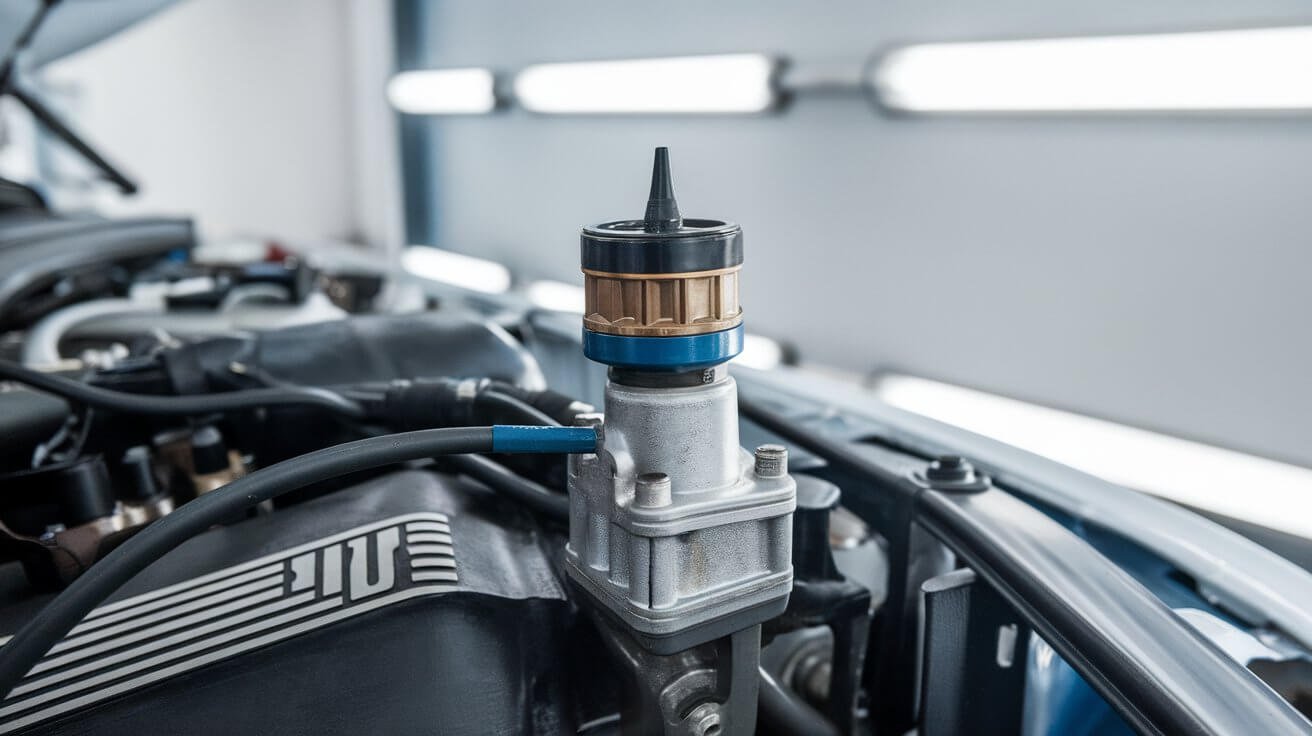
What if your BMW suddenly shuts off while overtaking on Sheikh Zayed Road? No warning. No limp mode. Just dead silence. That’s not a glitch , it could be a BMW crankshaft sensor fault, and it is more common than you think. This tiny sensor tells your engine when to breathe, spark, and move. When it fails, your car loses its rhythm. Some drivers blame the fuel. Others think it’s the battery. But deep down, it’s the sensor playing dead. Let’s break it down before your engine does the same.
What Is a Crankshaft Position Sensor in a BMW?
Your BMW’s engine might look like a beast, but it still needs guidance,and that comes from a tiny, overlooked part: the crankshaft position sensor. It tells the engine exactly when each cylinder should fire, so everything works in perfect harmony.Here is what the BMW crankshaft sensor actually does:
- Tracks crankshaft rotation: It monitors how fast and in what position the crankshaft is spinning.
- Sends real-time signals: This info goes to the engine control unit (ECU), which adjusts ignition timing and fuel injection.
- Supports cold starts: It helps the engine start efficiently, especially when the temperature drops or the car’s been sitting.
- Maintains power balance: It ensures the engine doesn’t misfire, stall, or run rough under acceleration.
In simple words, without this sensor, your engine runs blind. It won’t know when to fire, when to pause, or how to keep the drive smooth. And when it starts failing, everything gets out of sync.
BMW Crankshaft Sensor Replacement | What Happens When It Fails?
When the BMW crankshaft sensor starts to fail, it does not send clear signals to the engine control unit anymore. The result? Your BMW loses its timing, its power feels unpredictable, and even starting the car can become a struggle. Many owners in Dubai mistake it for a fuel issue or a weak battery. Knowing the real signs can save you from expensive breakdowns and help you plan for timely BMW crankshaft sensor replacement before the problem escalates.
- Hard or Delayed Starts
The engine cranks longer than usual or struggles to fire up, especially when warm. This happens because the ECU is not receiving accurate crankshaft position data. - Random Engine Stalls
Your BMW may run fine and then suddenly shut off while idling or driving, creating a dangerous situation in Dubai traffic. - Uneven Acceleration
Hesitation or jerking during acceleration shows that fuel injection and spark timing are no longer in sync. - Check Engine Light with Sensor Codes
Fault codes like P0335 or P0336 appear when the ECU detects crankshaft sensor signal loss or irregular readings. - Poor Fuel Economy & Misfires
Inaccurate timing makes the engine burn more fuel and misfire under load, reducing efficiency and damaging the catalytic converter. - Erratic RPM Readings
The tachometer needle may jump or behave oddly, reflecting inconsistent crankshaft signal inputs.
When you notice these issues creeping in, ignoring them will only cost more. Acting early with a proper diagnostic and BMW crankshaft sensor replacement can restore smooth performance and prevent bigger repairs down the road.
Why BMW Crankshaft Sensor Replacement Is Often Needed
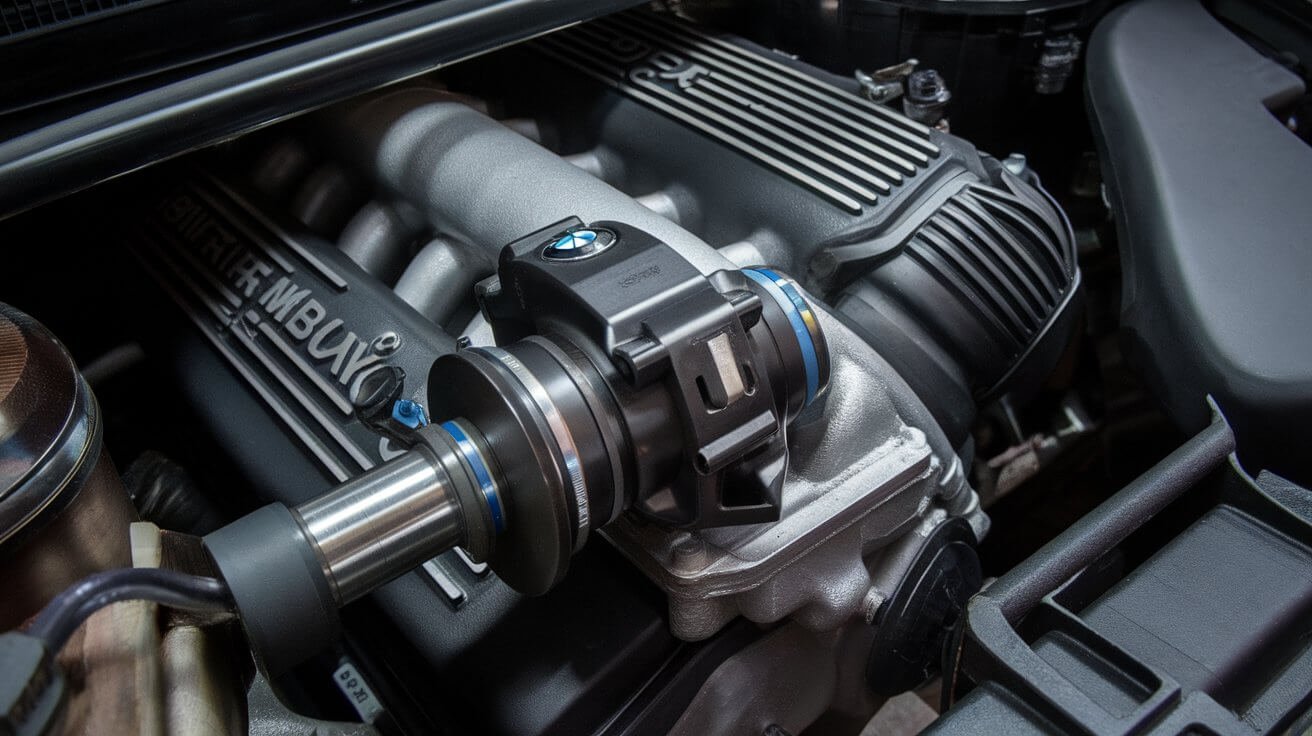
This is not just a rare fault,it is something many BMW owners deal with, especially in places like Dubai, where heat, dust, and stop-go traffic speed up wear. The BMW crankshaft sensor sits deep inside the engine bay, often in one of the hottest spots, making it vulnerable to failure over time. Here is why BMW crankshaft sensor replacement has become so common:
- Heat Exposure in Engine Bay
The sensor is mounted near the crankshaft, often close to the exhaust or turbo, where extreme temperatures can degrade internal circuits. - Vibration From Engine Movement
Constant engine vibrations, especially when engine mounts wear out, can crack or loosen the sensor body or connector. - Oil Leaks & Contamination
Valve cover leaks or timing seal seepage can cause oil to drip onto the sensor, damaging the magnetic pickup or blocking signal detection. - Wiring Harness Damage
Older models or poorly maintained vehicles may have brittle wires or corroded connectors leading to intermittent signal loss. - Dubai-Specific Driving Conditions
Harsh heat, long idle times in traffic, and dusty roads all add extra stress on electronic parts like the crankshaft sensor. - Time & Mileage Wear
Sensors naturally weaken after 80,000 to 120,000 km. Add in hot weather cycles, and the lifespan gets shorter.
If your BMW is showing odd behavior and the odometer is climbing, chances are the sensor is nearing its limit. Replacing it at the right time not only brings performance back but also protects more expensive engine components from damage.
How Mechanics Confirm the Fault Before BMW Crankshaft Sensor Replacement
You can throw parts at the problem,or you can fix it the right way. When it comes to a failing BMW crankshaft sensor, guessing is not good enough. A mechanic who knows BMW engines will test it properly before touching a bolt. That’s how you avoid wasting money on the wrong repair.Here is how a proper BMW crankshaft sensor replacement diagnosis is done, step by step:
- Fault Code Check (P0335, P0336, etc.)
Mechanics begin by scanning the ECU using BMW-specific tools like ISTA/D. If fault code P0335 shows up, it means the engine control unit is not seeing a signal from the crankshaft sensor. - Live Data Monitoring
They start the car (or try to) and check real-time crankshaft RPM data. If the RPM stays at zero while cranking, the sensor is likely dead. If it jumps around or cuts off, the signal is unstable,another red flag. - Cam vs. Crank Sync Check
Modern BMWs cross-check crankshaft and camshaft signals. If these two fall out of sync, timing becomes unreliable. Mechanics use this to tell whether just the crankshaft sensor is bad,or if both need replacing. - Connector & Sensor Visual Check
Oil-soaked plugs, cracked housings, or loose clips can cause intermittent sensor failure. This part of the check is hands-on. No scanner can tell you if the sensor is hanging loose under the engine. - Wire Testing with Multimeter
If the sensor seems fine, they test the wiring. Using a multimeter, the technician checks for voltage drop, ground loss, or damaged signal wires from the ECU to the sensor. - Crank No-Start Response Test
In some cases, the sensor is unplugged while cranking the engine. A working ECU should instantly detect the loss and store a fresh code. If it does not, something else,like a power issue or ECU fault,is in play.
Every BMW crankshaft sensor replacement should begin with this kind of detailed diagnosis. A hasty repair often leads to repeat visits. A smart one? That gets your engine back in rhythm the first time.
Step-by-Step BMW Crankshaft Sensor Replacement Process
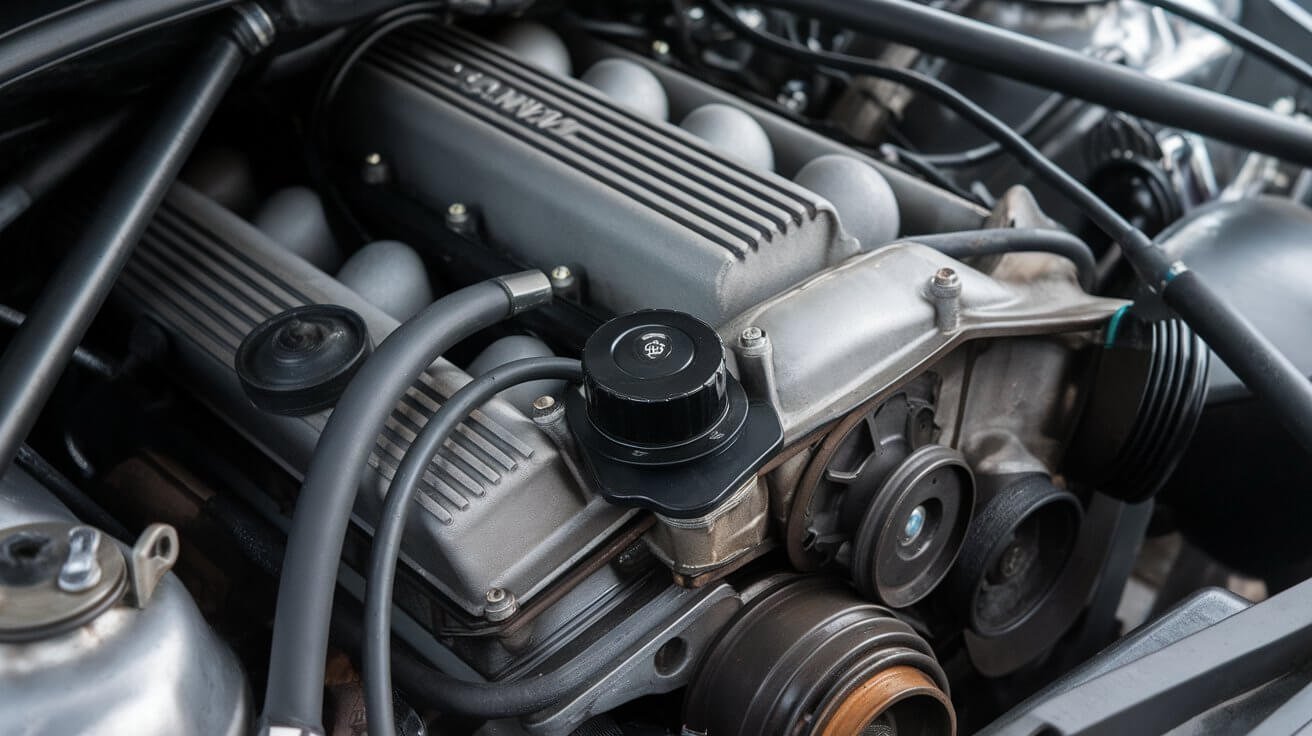
Swapping out a BMW crankshaft sensor is not the hardest job on the board,but it is also not something to rush. The sensor sits in tight spaces, and every model hides it a little differently. Whether it’s a 3 Series with a rear-mounted sensor or an X5 with one tucked under the intake, the process needs the right hands, the right parts, and a bit of patience.Here is how professionals carry out a proper BMW crankshaft sensor replacement:
- Battery Disconnection
The first move is always safety. Disconnecting the battery prevents short circuits when handling sensor wires near the engine block or bell housing. - Vehicle Lift & Access
Depending on the model, the mechanic may need to lift the car or remove intake components. In some cases, the sensor sits behind the starter or near the oil filter housing. - Sensor Location & Removal
The old sensor is usually held in by a single bolt and a snap-fit electrical connector. Sounds simple,until the bolt is seized or the connector is coated in oil or dust. - Cleaning the Mounting Surface
Before installing the new sensor, the area is cleaned thoroughly. Debris, old oil, or corrosion can block signal transmission if left behind. - OEM or Original Sensor Installation
A high-quality sensor,preferably original, not just OEM,gets installed, bolted in place, and connected securely. Signal strength depends on proper alignment and seating depth. - Code Clearing & Test Drive
After the sensor is in, codes are cleared using ISTA/D. A short test drive helps verify smooth idle, clean acceleration, and proper crank signal restoration.
A clean BMW crankshaft sensor replacement means fewer surprises later. Do it right, and your engine responds instantly, your fuel trims stabilize, and that unpredictable stalling disappears.
Cost of BMW Crankshaft Sensor Replacement in Dubai
Finding out the cost of BMW crankshaft sensor replacement in Dubai often feels like walking into a maze. Prices shift by model, labor, sensor type, and workshop overhead. Below is a snapshot of real-world estimates to help you budget better.
| BMW Model/Engine | Sensor Price (AED) | Labor Estimate (AED) | Total Ballpark (AED) |
| 3 Series (F30, N20 etc.) | 80 – 150 | 220 – 350 | 300 – 500 |
| 5 Series (F10, N55 etc.) | 100 – 180 | 250 – 400 | 360 – 580 |
| X3 / X5 / SUVs | 120 – 200 | 280 – 450 | 400 – 650 |
| 7 Series / High-end / V8 | 150 – 250 | 350 – 500 | 500 – 750 |
Here’s what those numbers hide:
- The sensor alone might cost as little as AED 66 in some aftermarket ranges.
- For a genuine distributor sensor, expect higher,brands list certain BMW crankshaft speed sensors in UAE listings.
- Shops often charge flat labor that covers disassembly, access, reinstall, test drive, and code reset.
- Difficult-to-access sensors (e.g. rear-mounted on certain models) push labor costs higher.
In short: don’t expect one fixed rate. Aim to get a breakdown of part + labor before you sign. That helps avoid surprises,and ensures your ride is fixed, not just patched.
Smart BMW Crankshaft Sensor Replacement Tips That Actually Help
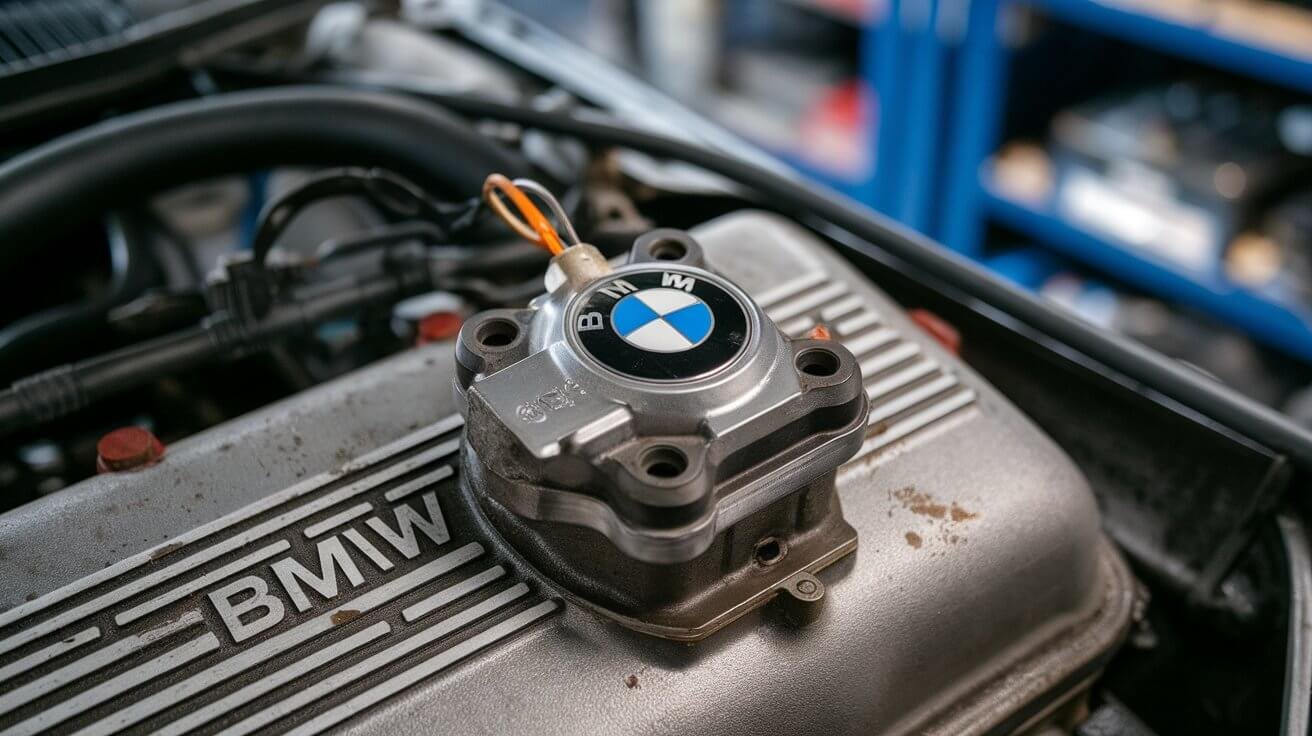
Replacing the crankshaft sensor sounds simple,but plenty of BMW owners get it wrong. Either the problem comes back, or new issues pop up right after. The sensor may be small, but the steps around it matter. If you want it fixed once and for all, a few smart choices go a long way.Here are six real-world tips that make your BMW crankshaft sensor replacement successful from the start:
- Choose Original Over OEM
Just because a part is OEM does not mean it matches the original quality. Many aftermarket OEM sensors lag in signal strength or fail faster in heat. Go for the original part if you want reliability. - Replace Camshaft Sensor If Aged
Crankshaft and camshaft sensors often fail within a short span of each other. If the camshaft sensor is also old, replacing both saves time and avoids future labor costs. - Clear Codes the Right Way
After installation, fault codes must be cleared using BMW software like ISTA. Just unplugging the battery will not reset the system fully. - Avoid Budget Labor
A cheap fix can turn expensive fast. Mechanics unfamiliar with BMW layout might damage wiring or misalign the sensor during installation. Choose technicians who’ve done it before. - Inspect Wiring During Job
Old or brittle wires near the crank sensor are common, especially in cars over 100,000 km. Ask the technician to inspect and replace any cracked insulation or damaged plugs during the job. - Always Test After Replacement
A short test drive and live signal scan should follow every sensor job. If idle feels rough or acceleration is uneven, something is still off,get it checked again immediately.
Doing this repair right means no callbacks, no mystery stalling, and no check engine lights flashing a week later. Get it done cleanly, and your BMW drives like it should,steady, sharp, and reliable.
When a BMW crankshaft sensor starts failing, it rarely shouts. It whispers,through hard starts, sudden stalls, odd RPM jumps. Ignore those whispers, and the car will eventually go silent when you need it most. Dubai roads are not forgiving, and neither is a sensor that cuts out mid-drive. Replacing it is not just a fix,it is a safeguard for your engine’s timing, your fuel system, and your peace of mind.
If your BMW is acting up or you just want to be sure everything’s in sync, now’s the time. Book a proper inspection. We’ll diagnose it, show you the data, and handle your BMW crankshaft sensor replacement with original parts, no shortcuts, and clear cost breakdowns. Bring it in before a small sensor leaves you stranded.