
BMW transmission failure symptoms can overlap with engine, electrical and driveline faults. A harsh shift or drivetrain warning does not prove the gearbox has failed. Stop for loss of drive, severe slipping, major leakage or a stop instruction, then arrange diagnosis.
When to stop driving
- The vehicle loses drive or cannot engage drive or reverse reliably.
- Engine speed rises sharply without expected acceleration and the condition is severe or repeated.
- A warning instructs you to stop, or an overheating message persists.
- There is substantial fluid leakage, smoke, severe grinding or violent engagement.
Move to a safe location only as circumstances allow, then arrange recovery. Do not repeatedly select gears or raise engine speed to force the car to move. Tell the recovery operator the model and drivetrain so transport follows the vehicle’s requirements.
For a message without obvious loss of function, follow the exact displayed instruction and seek prompt advice. A restart that clears the message is not evidence that the vehicle has repaired itself or that a long journey is safe.
Describe the problem before arranging transport
Tell the recovery operator whether the car rolls, whether a wheel is locked and whether the selector will engage the required position. Mention xDrive, hybrid equipment and any major leak. Do not assume that selecting neutral makes every BMW safe to tow with its wheels on the road.
- Do not force engagement. Repeatedly changing between drive and reverse or applying more throttle can worsen an unresolved problem.
- Do not crawl underneath. A roadside fluid check is not worth the risk from traffic, hot components or an unsupported vehicle.
- Do not erase the evidence. Keep the warning photograph and available fault history for the workshop.
- Do not turn a restart into a test drive. A temporarily normal display does not confirm safe torque transfer or fluid level.
Match the symptom to the next check
| What you notice | Possibilities to distinguish | Next useful check |
|---|---|---|
| Delayed drive or reverse | Fluid-level or pressure problems, control faults and internal wear. | Confirm selector request, engagement data, correct fluid level and hydraulic response. |
| Harsh shifts or a clunk | Transmission control or hydraulic issues, engine torque changes and worn mounts or driveline joints. | Compare the event with engine data, shift operation and physical mount or driveline checks. |
| Revs increase without expected acceleration | Transmission slip or another loss of torque transfer; operating context matters. | Stop if severe. Compare commanded gear, shaft speeds and other relevant findings. |
| Vibration under load | Engine misfire, mounts, driveshaft or other driveline faults, and some transmission-related faults. | Establish whether vibration follows engine speed, road speed, load or a specific shift. |
| Whine grinding or unusual noise | Transmission, differential, bearing or other rotating-component problems. | Locate the noise under safe test conditions before dismantling a gearbox. |
| Drivetrain malfunction message | A broader powertrain problem, which may involve the engine or transmission. | Scan relevant systems and connect codes with the actual symptom. |
These are investigation paths, not diagnoses. A delayed engagement does not by itself prove worn clutch packs, and a clunk does not establish a failed controller. The workshop should explain which findings narrow the possibilities.
When the symptom happens helps narrow the investigation
Record patterns from normal use, not from deliberate experiments. The same description, such as “a jerk,” can refer to selecting a gear while stationary, an actual gear change or taking up power after coasting. Those events need different checks.
| Observed pattern | What to report | Limit of the observation |
|---|---|---|
| Only at the first engagement | Cold or warm start, selected direction and any warning. | Does not establish a low fluid level or failed clutch. |
| During one particular shift | Normal driving conditions, load and whether it also happens at other shifts. | Does not prove a controller or solenoid fault. |
| While accelerating without a noticeable shift | Whether the engine runs unevenly and whether vibration changes with load. | Engine, mounts and driveline still need consideration. |
| After recent service or battery work | Invoice, parts or fluid used, date and whether the symptom existed before. | Timing alone does not prove the recent work caused it. |
A symptom that occurs only when warm is still not a diagnosis of heat-damaged electronics. The technician needs the relevant operating data and a safe way to assess the complaint. Do not keep driving a slipping or overheating vehicle simply to make the fault easier to reproduce.
What a drivetrain warning actually tells you
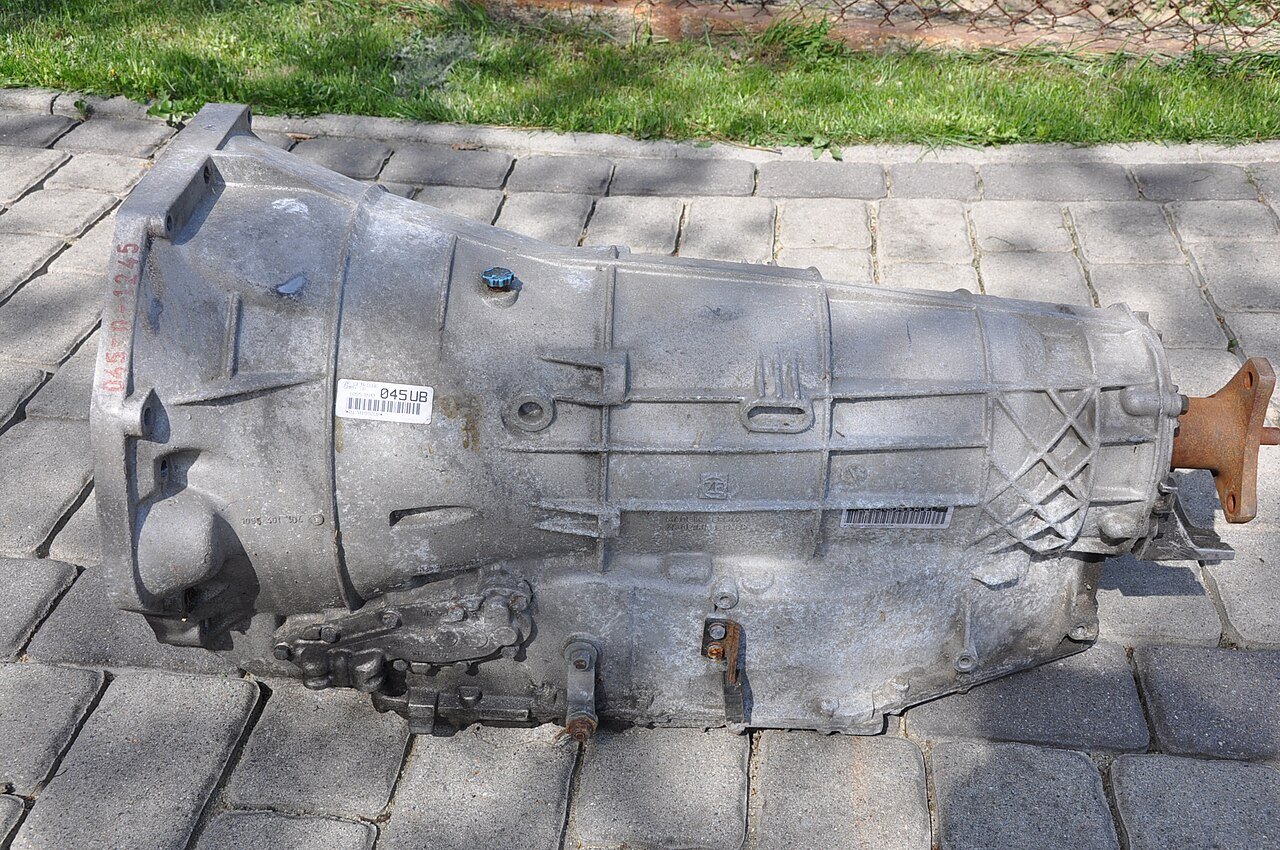
The drivetrain includes more than the gearbox. Engine misfires, torque-control problems and other powertrain faults can produce a reduced-power complaint. A transmission-related message is more specific, but it still does not name the failed component.
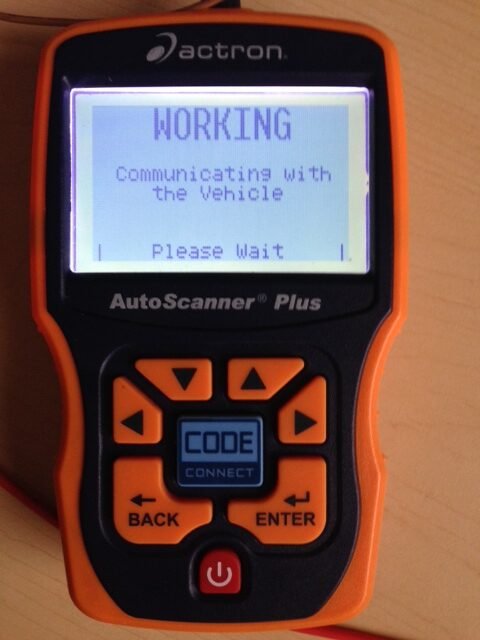
Save the exact wording and any available fault information before it is cleared. The context of a drivetrain malfunction warning helps determine what needs testing first. Codes from several modules may describe one underlying event rather than several failed parts.
Low supply voltage or an interrupted signal can also create communication faults. Diagnose battery supply, charging conditions, grounds and wiring when the evidence points there. A historical voltage entry alone does not establish the present cause.
Use the exact message rather than a dashboard nickname
Descriptions such as “gearbox light” or “drivetrain error” may leave out the vehicle’s actual instruction. Once parked safely, record the full message and associated warnings. Include whether the engine runs roughly, the selector responds normally and drive is available.
The absence of a warning is not proof that the transmission is healthy. Some mechanical complaints require physical inspection and measurements even when a scan shows no relevant current fault. Likewise, one stored code may be historical or secondary to another problem.
Fluid clues have limits
Not all automatic transmission fluid is red. ZF’s LifeguardFluid 8 data sheet lists that product as green. Correct identification depends on the specified fluid and transmission, not a universal color test.
Darkening, odor, contamination and debris may contribute to an assessment, but no one observation gives a complete diagnosis. A burning smell can come from another system. A puddle also needs its source traced rather than identification from color alone.
Many BMW automatic transmissions require a workshop procedure to check the level. The vehicle position, operating state and fluid temperature can matter. Do not remove a fill plug under a hot vehicle or add a generic ATF to see whether shifting improves.
The ZF 8HP service procedure illustrates why a controlled level check and specified materials matter. Its details apply to the listed transmissions; they should not be copied to every BMW gearbox or hybrid arrangement.
A top up and a fluid service answer different questions
- Low level: establish why fluid is missing and whether leakage or an incorrect previous fill is involved.
- Scheduled service: identify the applicable fluid, filter or pan and procedure for the fitted transmission.
- Contamination or debris: document the finding and interpret it with the symptoms, history and further inspection.
- Continued slipping: assess the fault rather than repeat fluid changes as an assumed cure.
Ask what the proposed operation is intended to achieve. An unexplained “flush package” should not replace a diagnosis. ZF’s cited procedure also warns against additional additives for the listed transmissions. Do not use a universal stop-slip product as a substitute for the correct repair assessment.
How diagnosis separates the gearbox from other systems
- Identify the fitted transmission and vehicle specification. A model badge or registration year alone may not establish the exact assembly.
- Record the complaint, recent work, service history and the initial scan, including available fault conditions and adaptation data.
- Assess relevant engine operation, electrical supply, communication and external driveline or mount condition.
- Check leakage, correct fluid specification and level using the applicable procedure. Investigate any cooling-related findings.
- Compare commanded operation with the actual response using suitable live data and any required electrical or hydraulic tests.
- Escalate to targeted component testing or dismantling only when the evidence and agreed diagnostic scope justify it.
A controlled road test is appropriate only when the vehicle can be operated safely. The owner should not try to reproduce severe slip, overheating or loss of drive in traffic for a video.
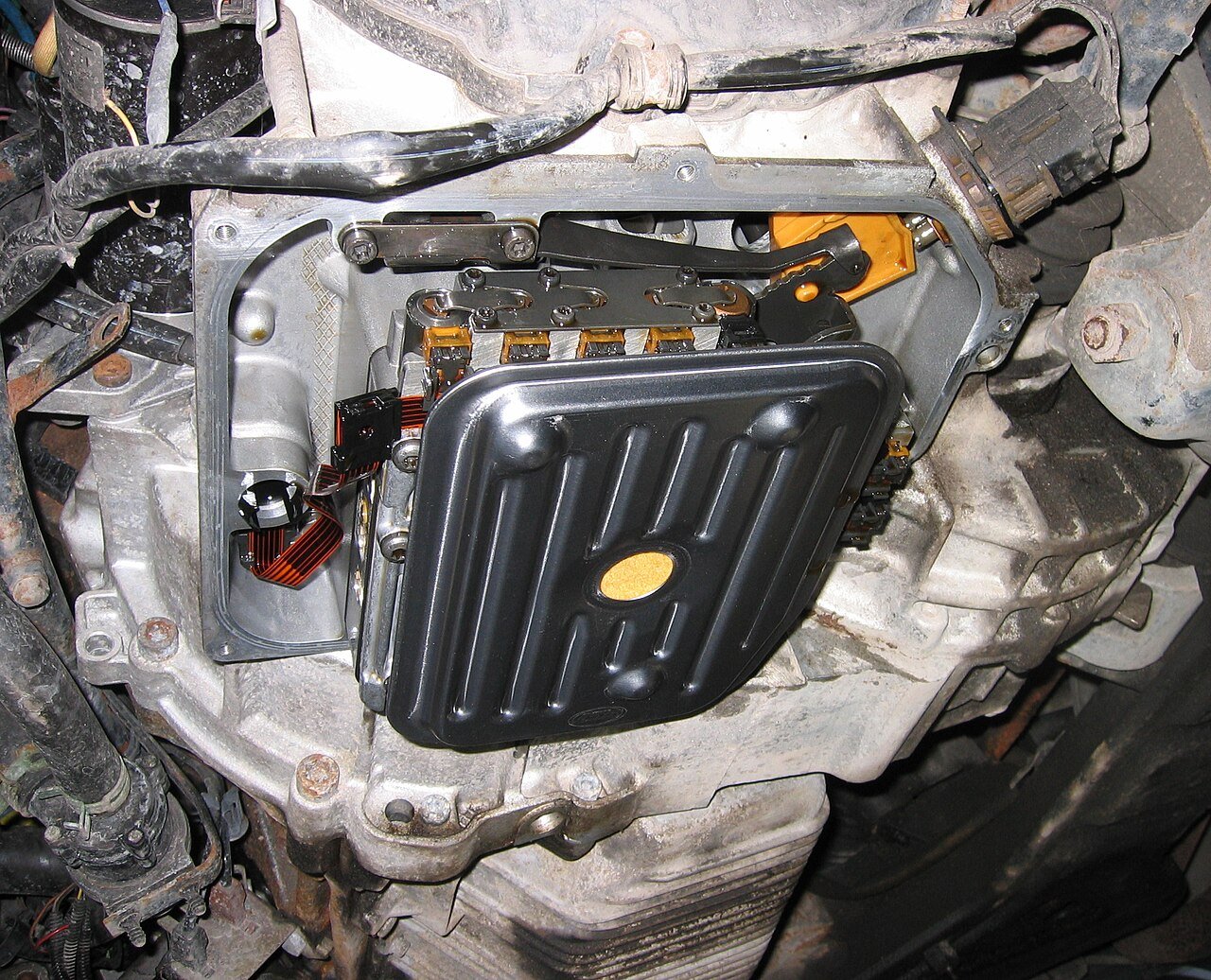
If the investigation points to the controller, EGS fault confirmation requires more than a generic transmission code. The electronic controller, hydraulic valve body and complete mechatronic assembly are different repair scopes.
Know what the diagnostic report can and cannot establish
A useful report separates confirmed findings from suspected causes. Ask for the test result that supports the next step, especially before paying for removal or a complete replacement.
- A fault code identifies a detected condition; it does not automatically identify the part to order.
- A live-data comparison shows how the system responded under recorded conditions; its meaning depends on the transmission and test.
- A mount inspection can identify an external source of movement or impact; it does not confirm every internal gearbox function.
- A fluid-level check establishes level only when performed correctly; it does not rule out wear or an electrical fault.
- A dismantling report should identify the observed damage and the resulting repair scope rather than rely only on the original symptom.
Agree on a diagnostic fee and approval point before extensive dismantling. Ask whether the estimate covers initial testing only, removal for inspection or the complete repair. If findings change, the workshop should explain the revised scope before carrying out additional work.
Repair choices depend on the confirmed fault
| Finding | Possible route | Important limit |
|---|---|---|
| Maintenance is due and no damaging fault is established | The correct fluid and filter service for the application. | Service is not a guaranteed cure for slipping or internal wear. |
| External circuit connector or mount fault | Targeted repair of the confirmed cause. | Reassess the original complaint after the repair. |
| Confirmed hydraulic or control-assembly fault | Selective repair or a compatible replacement where appropriate. | Name the affected components and any configuration required. |
| Significant internal damage | Rebuild or replacement following an agreed inspection. | Compare condition, converter and control inclusions, fitted cost and written coverage. |
A complete gearbox replacement should have evidence behind it. Ask which findings rule out a smaller repair, and which uncertainties require dismantling. Conversely, repeated fluid changes or resets should not delay investigation of a significant mechanical fault.
The transmission service and repair options separate those routes. A written quotation should identify the gearbox, diagnosis, parts condition, fluid and filter scope, labor, configuration, testing and final VAT-inclusive amount.
Compare three possible job scopes
These examples explain repair decisions, not actual customer jobs or fixed estimates. The confirmed fault determines which scope applies.
- External cause confirmed. A tested connector, supply fault or mount problem may justify targeted work followed by reassessment. The quote should not include an unrelated gearbox overhaul by default.
- Control or hydraulic assembly fault confirmed. Name the assembly and whether it will be repaired, remanufactured or replaced. Identify fluid, seals, configuration and installed verification requirements.
- Internal damage confirmed. Compare rebuild and replacement on the same basis, including the converter where applicable, control assemblies, access labor, service materials and written coverage.
Check the complete fitted quotation
A cheap used unit is not automatically a lower-cost completed repair. A parts-only offer and a tested, fitted assembly cover different work. Before authorizing either, check:
- The exact transmission identification and compatibility with the car.
- New, used, repaired or remanufactured condition and what that description includes.
- Removal and installation, fluid, filter or pan, seals and other required materials.
- Any justified software, coding or relearning operations.
- Core-return charges, return terms, VAT treatment and the final fitted total.
- Written parts and labor coverage, exclusions and the process if the original symptom returns.
Do not approve a replacement because of a universal savings claim or a promised reset cure. The sensible comparison is the work needed on this BMW, including unresolved risks and the agreed verification.
Set a maintenance plan for the actual transmission
There is no single fluid-change interval for every BMW in Dubai. Use the vehicle and transmission manufacturer’s applicable guidance, service history and operating conditions. Ask why an earlier interval is being recommended for your particular car.
High operating loads and temperatures can influence fluid aging, but local weather alone does not establish a failed part. Keep appropriate service records, address leaks promptly and investigate cooling or shifting changes rather than assuming routine maintenance prevents every failure.
Avoid treating manual transmissions, dual-clutch units, conventional automatics, hybrids and electric drivetrains as one system. Their fluids, components and service procedures can differ. A previous replacement or modification makes identification especially important.
Useful notes before an assessment
- Model, year, mileage and whether the transmission has been replaced or serviced.
- The exact warning and whether it returned after a restart.
- Whether the symptom happens cold, warm, during engagement or at a particular shift.
- Any loss of drive, slipping, leaks, unusual smell or noise.
- Recent battery, engine, transmission or software work and available invoices.
Collect these observations while parked or from events already experienced. They help the workshop reproduce a safe test condition and justify a repair. The goal is to connect the symptom to measured evidence before choosing a component.
Confirm the result against the original complaint
At collection, ask what was checked after the work. A fault-free scan alone is not enough if the original problem was a delayed engagement or a physical vibration.
- The original symptom was reassessed under appropriate, safe conditions.
- Relevant leakage, fluid level, communication and operation checks were completed.
- Any required programming or relearning followed the actual repair procedure.
- Remaining unrelated findings and aftercare instructions are written down.
Keep the initial findings and final invoice together. If severe slip, loss of drive, substantial leakage or a stop warning returns, stop safely and arrange assistance. Do not treat aggressive driving as a universal relearning requirement.
Key decision: BMW transmission failure symptoms justify an investigation, not an automatic gearbox order. Establish whether recovery is needed, identify the actual transmission and approve the repair supported by the findings.
Transmission symptom questions
Does limp mode mean the transmission has failed?
No. It is restricted operation following a detected problem. Relevant engine, electrical and transmission faults need to be assessed before assigning the cause.
Can a fluid flush fix slipping?
It cannot be promised. Correct fluid service may address a suitable maintenance need, but leaks, hydraulic faults and internal wear require their own assessment. Severe slip calls for stopping and recovery.
Why can the warning disappear after a restart?
The operating state can change while an intermittent fault remains. Preserve the message and fault history, then have the cause assessed rather than treating the restart as a repair.
Can engine trouble feel like a transmission problem?
Yes. Uneven torque delivery or a misfire can be felt during acceleration or shifting. The technician should compare engine and transmission information with the actual event rather than diagnose a gearbox from the sensation alone.
Should I approve a used gearbox before diagnosis is finished?
Confirm the fault and compatibility first. Check the supplied assembly’s condition, inclusions, configuration requirements, fitted total and return terms. A matching model name is not enough to establish suitability.
Need help with your BMW?
Tell the garage what you have noticed, what you want checked and which BMW you drive. The team can explain the sensible next step before you book.