
BMW TCM repair is justified when testing identifies a fault in the transmission controller. Jerky shifts, delayed engagement and limp mode can also result from power supply, wiring, engine, fluid or hydraulic problems. Preserve the diagnostic evidence before choosing a repair.
When shifting trouble needs recovery
Stop safely and arrange recovery if drive is lost, engagement is unreliable, the car slips severely, fluid is leaking substantially or a warning instructs you to stop. Do not keep revving the engine to force drive or reverse to engage.
If the car still operates normally with a message, follow its exact instruction and obtain prompt advice based on the vehicle. A generic “drive moderately” message is not permission to continue with unsafe behavior. Record the warning only after parking safely.
Controller valve body and mechatronics are different
TCM means transmission control module. BMW documentation often uses EGS for electronic transmission control. The physical arrangement depends on the gearbox, so a quote for “TCM repair” needs to identify the actual component being repaired.
| Term | Role | What the quote must clarify |
|---|---|---|
| EGS or TCM | Processes inputs and controls transmission operation electronically. | Repairing existing electronics, programming, or fitting a compatible replacement controller. |
| Valve body or hydraulic module | Routes and regulates hydraulic pressure through valves and passages. | Which valves, solenoids, seals or hydraulic faults are included. |
| Mechatronic unit | An integrated electronic and hydraulic control assembly on relevant transmissions. | Whether the complete assembly or only one section is supplied. |
| Complete transmission | Includes the gearbox’s mechanical assemblies as well as its applicable controls. | Whether the converter, controls and associated service materials are included or separate. |
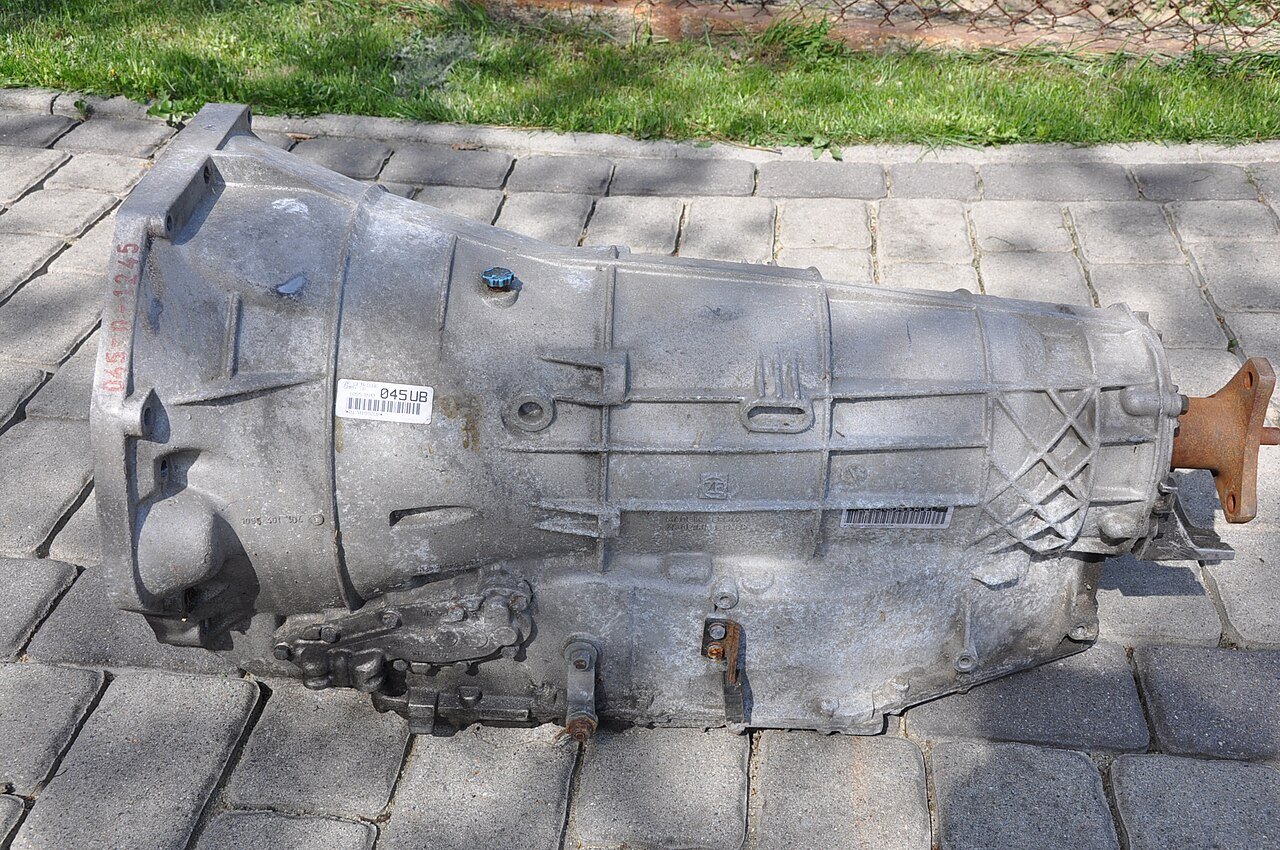
The controller, valve body and complete gearbox are different repair scopes. Their layout varies by transmission generation. A BMW badge, engine size or model-series name alone is not enough to identify a compatible replacement.
Identify the fitted transmission before ordering parts
Ask for the VIN, transmission identification and relevant controller part numbers on the assessment. The workshop should reconcile the vehicle record with the installed hardware, particularly if the car has had a previous gearbox or module replacement. Model year alone can miss production changes, equipment differences and superseded components.
A useful diagnosis names the suspected assembly and the evidence supporting it. “Gearbox computer problem” leaves too much unresolved: it could describe loss of communication, a configuration mismatch, an internal electronic defect or an electrical fault outside the unit. Request that distinction before authorizing removal.
Evidence to preserve before resetting anything
Ask the workshop to save the initial scan report, including faults in related modules, fault status and available operating conditions. Mileage, supply voltage, temperature and the event sequence help distinguish an active failure from an old or secondary entry.
- Record the exact complaint, cold or warm behavior and recent battery, fluid, software or repair work.
- Identify the transmission, controller hardware and software before proposing replacement or programming.
- Save available adaptation values and relevant live data before clearing codes or resetting learned values.
- Keep the original report and a post-repair report so the work can be assessed against the same complaint.
Adaptations are learned corrections used by the control system. Their meaning and acceptable values depend on the transmission and test conditions. They are diagnostic context, not a universal pass/fail score or proof that a controller needs replacement.
Bring a short description of what actually happens
Describe events you have already noticed during normal use. Do not recreate slipping, harsh engagement or loss of drive on a public road to collect evidence. A passenger’s recollection or a photograph taken after parking is more useful than trying to record a warning while driving.
- Operating conditions: Was the problem present at the first start, after ordinary driving, or when selecting reverse?
- Behavior: Did the car hesitate, bang into gear, lose drive or limit the available gears? These are different complaints.
- Warning: Note the exact message and whether it remained after stopping. A warning disappearing does not establish that the fault has gone.
- Recent changes: Mention battery discharge, jump-starting, fluid work, water ingress, programming and any accessory connected to the diagnostic socket.
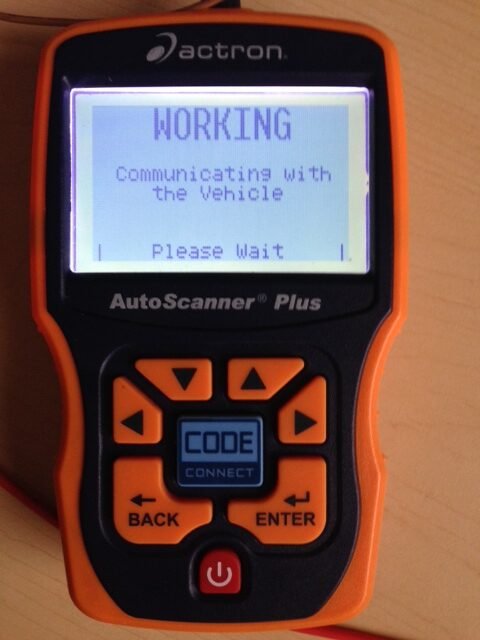
A generic code reader may provide only part of the vehicle’s information. A report with no engine-emissions codes is not the same as a complete BMW transmission and network assessment. Ask which control units were reached and which were unavailable.
How the workshop separates possible causes
| Check | Question it answers | What it does not prove alone |
|---|---|---|
| Battery supply and grounds under relevant conditions | Does the controller receive a stable electrical supply? | A stored low-voltage code does not prove a failed battery or TCM. |
| Connectors wiring and network communication | Is the signal path intact, including relevant power and ground connections? | No communication does not automatically mean the module itself is defective. |
| Engine and related module data | Could torque delivery, misfires or another system explain the complaint? | A drivetrain message does not isolate a gearbox component. |
| Correct fluid level specification and leakage checks | Are fluid and service conditions appropriate for the fitted transmission? | Fluid color alone does not establish internal condition. |
| Commanded operation and hydraulic response | Does the transmission respond correctly to the requested action? | A pressure or ratio fault does not distinguish every electronic, hydraulic and mechanical cause by itself. |
| Targeted controller or assembly testing | Is there repeatable evidence locating the fault to a repairable component? | A single code or one temperature reading is not confirmation. |
BMW-capable diagnostic software can guide the test sequence and provide relevant data. It still needs a technician to interpret the results and perform the required electrical or mechanical tests. The tool’s brand does not turn a fault description into a proven failed part.
Pressure measurements, actuator tests and specialist bench checks must follow the correct procedure. An electrical solenoid check cannot by itself demonstrate that a valve moves freely or that its hydraulic circuit seals correctly under operating conditions.
ZF’s explanation of pressure-control valves shows how electronic commands and hydraulic operation work together. Poor engagement can involve that system, but the symptom alone does not identify which section has failed.
A BMW example: communication can fail outside the EGS
BMW’s August 2019 S0235 diagnostic communication bulletin describes certain ZF 8HP diagnostic sessions affected by an aftermarket tracking device connected through an OBD adapter cable. The diagnostic system could not communicate with the EGS even though the interference was external to it.
The bulletin specifically says this situation does not create transmission drivability complaints. It therefore does not explain every jerky shift or limp-mode event. Its useful lesson is narrower: an unavailable module is not automatically a failed module. Tell the technician about connected accessories; any temporary disconnection should follow the applicable procedure and the owner’s or fleet operator’s authorization.
This is a diagnostic example from BMW of North America, not evidence of a UAE recall, local warranty entitlement or a fault on every 8HP vehicle. The current vehicle-specific test plan still controls the investigation.
Keep electrical findings separate from hydraulic findings
A controller can request an action while the hydraulic or mechanical system fails to carry it out. Conversely, correct mechanical components cannot respond properly if their electrical command or supply is missing. The diagnosis should connect the requested action, observed response and relevant circuit or pressure checks.
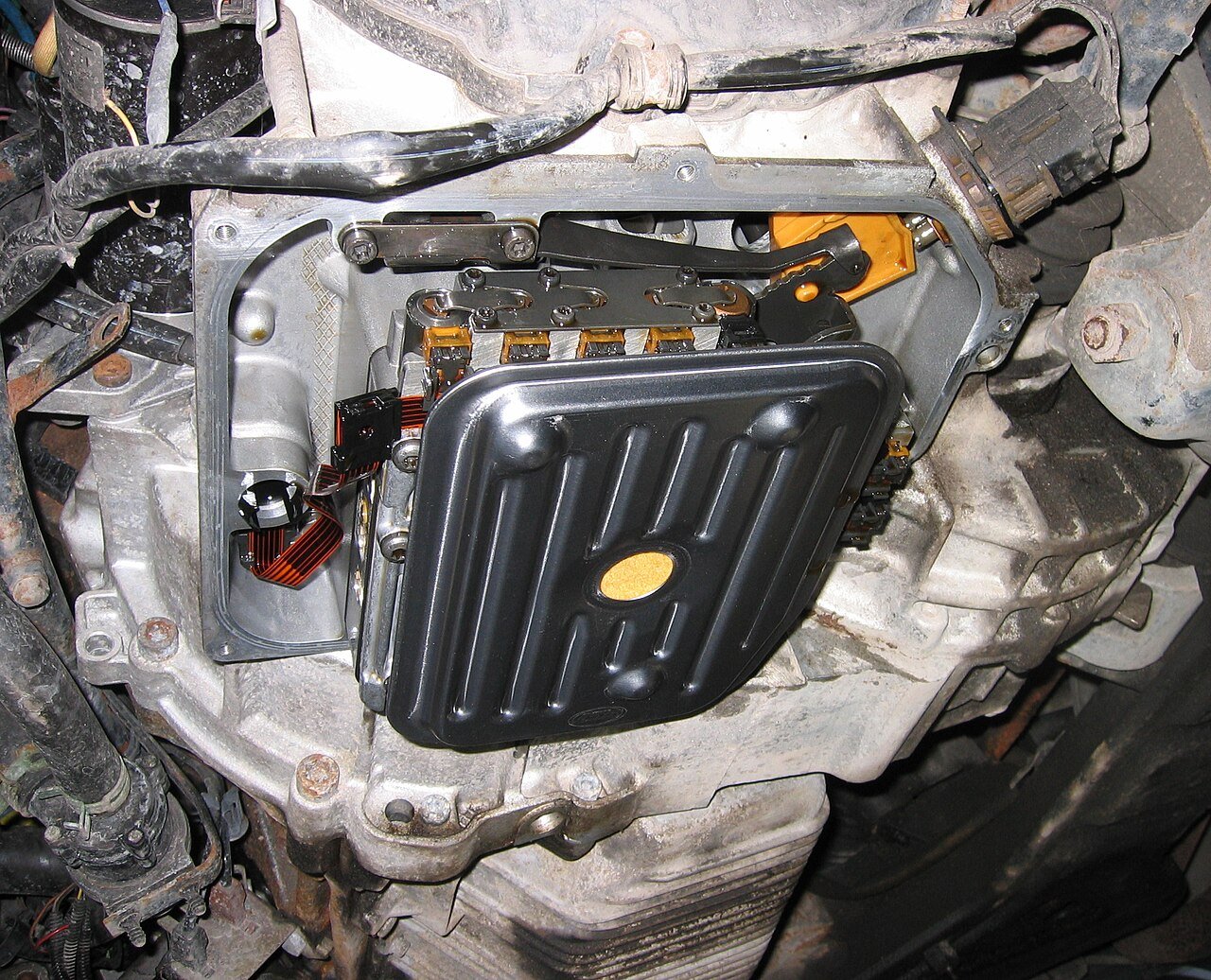
If opening the transmission is justified, ask the technician to document the fluid-service condition and relevant physical findings before discarding parts. A photograph of a filter or deposits needs interpretation alongside the unit’s history and test results. It is not, by itself, proof that the electronics failed or that the whole gearbox needs rebuilding.
Why temperature and limp mode are not diagnoses
Limp mode describes restricted operation following a detected problem. The cause may be electrical, hydraulic, mechanical or elsewhere in the powertrain. Restarting may change the behavior without repairing the underlying fault.
One temperature reading cannot prove an electronic failure rather than mechanical damage. Interpret temperature using the actual transmission, load, operating conditions, sensor plausibility and relevant fault criteria. High temperature also calls for investigation of why heat is being generated or not removed.
For complaints that have not yet been localized, transmission symptom checks explain the wider engine, voltage and driveline possibilities. A symptom pattern is useful evidence to bring to the assessment, not a parts order.
Choose a repair supported by the findings
| Option | When it may be appropriate | What to establish first |
|---|---|---|
| Repair power supply wiring or a connector | Testing identifies an external electrical fault. | Restore the circuit and reassess before condemning the controller. |
| Programming or coding | An applicable software or configuration requirement is established. | Correct vehicle procedure, stable power support and a reason for the change. |
| Controller repair or replacement | Evidence localizes the fault to the electronics. | Repair feasibility, compatibility, configuration, testing and written coverage. |
| Valve-body or mechatronic repair | Testing supports a hydraulic or integrated-control fault. | Exact components, contamination checks and the limits of the proposed repair. |
| Transmission rebuild or replacement | Internal damage or the overall repair assessment supports that scope. | Documented findings and a like-for-like comparison of complete fitted options. |
Solder work is not a universal repair for a controller, and reflashing cannot restore worn hydraulic or mechanical parts. Some units may be unsuitable for repair or reuse. A replacement may require application-specific coding or security-related configuration; confirm feasibility before purchasing it.
The transmission repair options cover servicing, selective repair, rebuilding and replacement. Request the diagnosis, named assembly, new or rebuilt condition, access work, fluid, configuration, VAT-inclusive total and written coverage in one quotation.
What should support a controller repair recommendation?
Before approving BMW TCM repair, ask the workshop to explain how it reached the controller rather than simply repeat the stored fault description. A defensible recommendation should identify the unit, summarize the relevant external checks, describe the repeatable electronic finding and explain why the proposed repair addresses it.
There may be limits to what can be confirmed without removal or specialist testing. In that case, authorize a defined diagnostic stage with its fee and stop point. Do not treat a provisional estimate for testing as consent for an unrestricted mechatronic replacement. If the findings change, request an updated scope before further work.
Compare repaired, remanufactured, new and used units
Repairing your original controller may retain known vehicle compatibility, but feasibility depends on the actual damage and available testing. A remanufactured assembly should have a stated scope and test standard. A new component still needs correct application and installation. A used unit needs compatible hardware and a confirmed path for any required configuration.
Ask who is responsible if a supplied unit cannot be commissioned in your vehicle. Establish the return terms, core-return requirements, programming charges and warranty exclusions before buying it. Matching the outer casing or connector is not sufficient evidence of compatibility, and a seller’s claim of “plug and play” should be verified for the exact vehicle.
Read the fitted quotation, not just the module price
Compare quotes for the same confirmed repair scope. A circuit repair, electronics-only repair and complete mechatronic exchange are not interchangeable offers. Lower advertised parts cost may exclude removal, testing, sealing materials, fluid, programming or final checks.
- Diagnosis: State the agreed fee, tests included and whether further dismantling needs approval.
- Parts: Name the assembly, part specification, condition and any exchange or core charge.
- Installation: Include access labor and the applicable seals, filter or fluid work.
- Configuration: Identify coding, programming or relearning only where required.
- Total and coverage: Show the VAT basis and fitted total, with written parts and labor coverage and exclusions.
For a Dubai owner, the practical comparison is the total approved work on this car. A percentage-saving promise or an unscoped starting price cannot answer that question. Request separate approval if testing reveals damage outside the original estimate.
Understand what a reset or software operation changes
| Operation | Purpose | Limit |
|---|---|---|
| Clear fault memory | Remove stored diagnostic entries when appropriate. | Does not repair the cause; save the initial report first. |
| Reset adaptations | Clear specified learned corrections when the repair procedure requires it. | Does not restore worn parts and may require prescribed relearning. |
| Coding | Apply the relevant configuration to a compatible module. | Cannot make arbitrary hardware compatible. |
| Programming or reflash | Install applicable software using the correct process and power support. | Cannot repair a damaged circuit, leaking hydraulic passage or worn clutch. |
Do not disconnect the battery or repeatedly clear warnings as an informal repair attempt. Preserve the evidence and ask what change the proposed operation is intended to make. Opening the unit, probing its pins and handling hot transmission fluid belong with trained technicians using the correct service information. Hybrid vehicles also require the appropriate high-voltage competence for work affecting those systems.
Verify the repair against the original complaint
The finishing checks should confirm the relevant fault is resolved under appropriate conditions. These may include supply and communication checks, engagement, hydraulic response, leakage, fault status and a controlled road test when safe.
Programming, adaptation resets and relearning are different operations. Use them only when the applicable repair instructions require them. Clearing the warning without checking the original behavior is not evidence of a successful repair.
Ask what was tested after installation
A successful bench test establishes performance only within that test’s scope. Installed checks must still address the vehicle’s supply, communications, configuration and original complaint. If the issue occurred only after normal warm operation, a brief cold start may not be enough to assess the result.
The final report should record the work performed, required software or adaptation operations, relevant fault status and the conditions checked. Ask whether any unrelated faults remain and what to do if the symptom returns. Do not accept repeated aggressive driving as a universal “learning” requirement; any verification or relearning must follow the applicable safe procedure.
TCM repair questions
Does a no-communication code mean the TCM is dead?
No. Power, grounds, wiring, connectors and network conditions can prevent communication. Testing must establish whether the module or an external circuit is responsible.
Can a fluid change cure a TCM fault?
Fluid service addresses an appropriate maintenance need or specific fluid-related finding. It cannot be promised to repair defective electronics, worn valves or internal damage.
Is repairing the controller always cheaper than replacement?
Compare confirmed repair scopes, testing, compatibility, configuration and written coverage. There is no reliable percentage saving that applies to every vehicle or every controller fault.
Can I buy a used TCM before paying for diagnosis?
Confirm the failed component and compatibility first. Used-module configuration, security requirements, return terms and installation costs vary. Buying from a matching model does not establish that the unit will work in your car.
Does smooth shifting after a reset prove the repair worked?
No. Changed behavior after a reset can be temporary. The relevant fault and original operating conditions need reassessment, with required relearning completed according to the transmission procedure.
The decision to make: approve the next justified diagnostic or repair step when the findings identify its purpose, limits and cost. A jerky shift is a reason to investigate; it is not enough evidence to order a controller.
Need help with your BMW?
Tell the garage what you have noticed, what you want checked and which BMW you drive. The team can explain the sensible next step before you book.