
BMW electrical issues need a symptom-led diagnosis. A no-start, several warnings together, one failed accessory, and an iDrive fault can have different causes. A discharged battery does not automatically need replacement, and a warning does not prove that the engine control unit has failed.
If there is smoke, a burning electrical smell, a hot or damaged battery, or impaired braking or steering, stop safely and arrange assistance. Do not keep restarting the vehicle to see whether the warnings disappear.
Start with the exact symptom
Write down what stopped working, when it happened, and the exact warning text. Note whether the engine cranks, whether the fault follows parking or rain, and whether recent work or an accessory installation preceded it.
| Main complaint | Useful first distinction | Next step |
|---|---|---|
| Vehicle will not start | No crank, slow crank, or normal cranking without starting | Check supply and starting conditions, then follow the relevant diagnostic path |
| Several warnings appear together | Shared voltage or communication issue versus separate faults | Save module faults and establish stable electrical supply before drawing conclusions |
| One window, light, mirror, or other accessory fails | Local circuit or mechanism versus wider supply problem | Check the affected function, circuit protection, wiring, and control commands |
| iDrive freezes or restarts | Display, head unit, software, connection, or power concern | Record conditions and use system-specific checks |
| Battery repeatedly discharges while parked | Low charge, poor battery health, charging issue, or unwanted draw | Test and investigate the reason for discharge |
The number of warning lights is not a reliable measure of the number of failed modules. Equally, a low-voltage explanation should not be used to dismiss a safety warning before its cause and operating implications have been checked.
Separate charge health charging and parked draw
These four questions should be answered individually. Replacing the battery after answering only one can leave the original problem unresolved.
| Question | What it means | What the result does not prove |
|---|---|---|
| State of charge | How much usable charge is available now | Whether the battery has adequate remaining performance or capacity |
| Battery health | How the battery performs under the appropriate assessment | Why it became discharged |
| Charging operation | Whether the vehicle supplies energy correctly under relevant conditions | That no accessory or module draws too much after parking |
| Parasitic draw | Whether unwanted consumption persists after the vehicle should enter its normal parked state | Which part is responsible without circuit and operating checks |
BMW's battery energy-diagnosis bulletin emphasizes investigating the cause of a discharged battery. It also distinguishes charge and health assessment. The applicable procedure depends on the vehicle and its electrical architecture.
A battery can be both damaged and affected by an unresolved drain. Replacing it may be necessary, but the draining component or operating condition still needs attention. A successful start with a new battery is not proof that the entire problem is solved.
Investigate a no-start in the right order
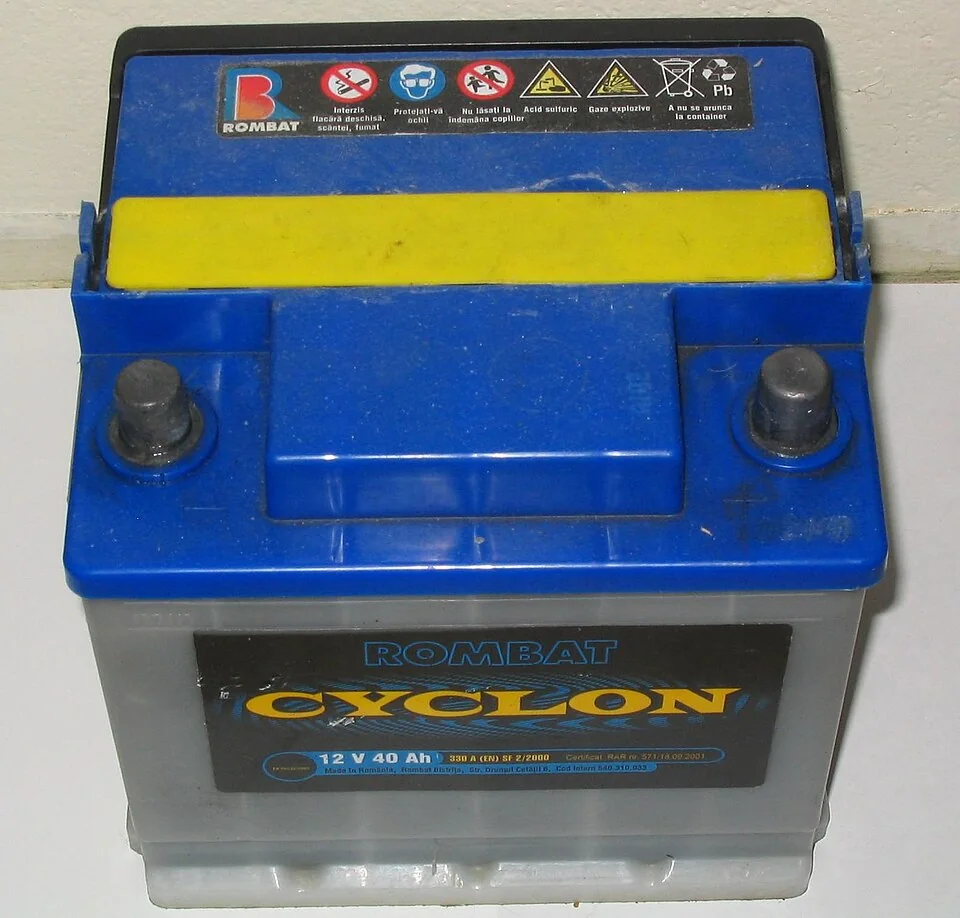
Record whether the starter turns the engine. Slow cranking, clicking, complete silence, and normal cranking without combustion are different complaints. An illuminated dashboard does not prove that the supply can support starting.
The workshop should establish the fitted battery type and relevant supply condition, inspect appropriate connections, and check the starting request and circuit as the symptoms require. Cable resistance or a connection fault can matter even when a battery has recently been replaced.
If the engine cranks normally but does not start, further checks may concern fuel, ignition, authorization, engine-speed information, or another system. The correct route depends on the engine and recorded faults. Do not automatically buy a starter or alternator from the symptom alone.
Avoid repeated attempts if the vehicle gives a stop instruction, produces smoke, or shows an abnormal electrical smell. Follow the manual for any permitted jump-start procedure and its designated connection points. Do not improvise around a leaking, swollen, damaged, or unusually hot battery.
Read several warnings as a diagnostic pattern
A shared supply issue or communication interruption can affect more than one system. A scan should preserve the reporting modules, fault status, timing, and available operating data before codes are cleared.
After supply problems are addressed, the technician can reassess which faults remain. Persistent faults may need separate tests. Historical entries from an earlier low-voltage event should be distinguished from active concerns without assuming either category is harmless.
Ask these questions before authorizing a control unit:
- Have its power supplies and grounds been tested under appropriate conditions?
- Has the relevant wiring or communication path been checked?
- Is there evidence of moisture, physical damage, or a known applicable software issue?
- Does the fault recur after the supported preliminary work?
- What test establishes an internal module fault?
An engine warning, an ABS message, or a restraint-system alert does not inevitably progress to ECU failure. Each has its own safety meaning and test path. If braking, steering, or restraint operation is in doubt, follow the vehicle warning and arrange appropriate assistance.
Trace one failed accessory locally
If only one function fails, begin with that function's operating conditions and circuit. A window can have a mechanism problem, a switch problem, wiring damage, or an electronic control issue. Those possibilities call for different repairs.
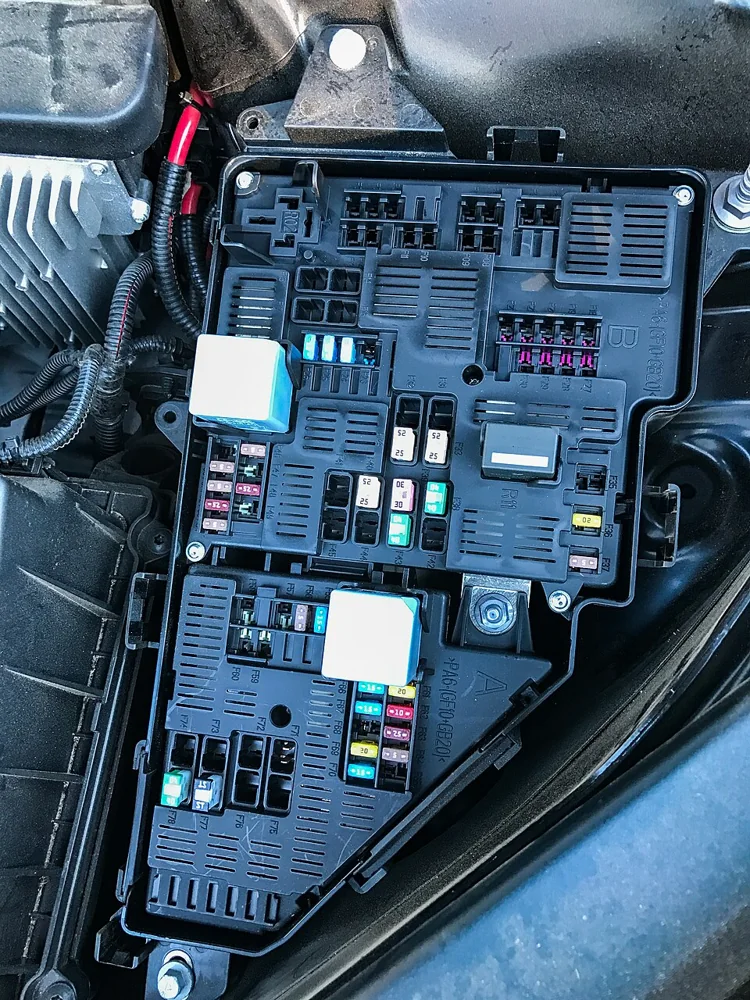
A fuse protects a circuit. A repeatedly blown fuse calls for investigation, not a larger fuse or a bypass. Use only the specified type and rating, and follow the owner's instructions for any fuse the manual permits the owner to inspect.
Do not probe airbag circuits, disconnect restraint connectors, or test unfamiliar high-voltage equipment. Avoid inserting wire, foil, or improvised tools into a fuse holder. A fuse that looks intact may still require appropriate electrical testing by a technician.
For a function that changes with door movement, weather, or temperature, record the pattern. That information can help locate a connection or wiring problem. It does not prove the nearest control unit has failed.
Check iDrive without confusing resets
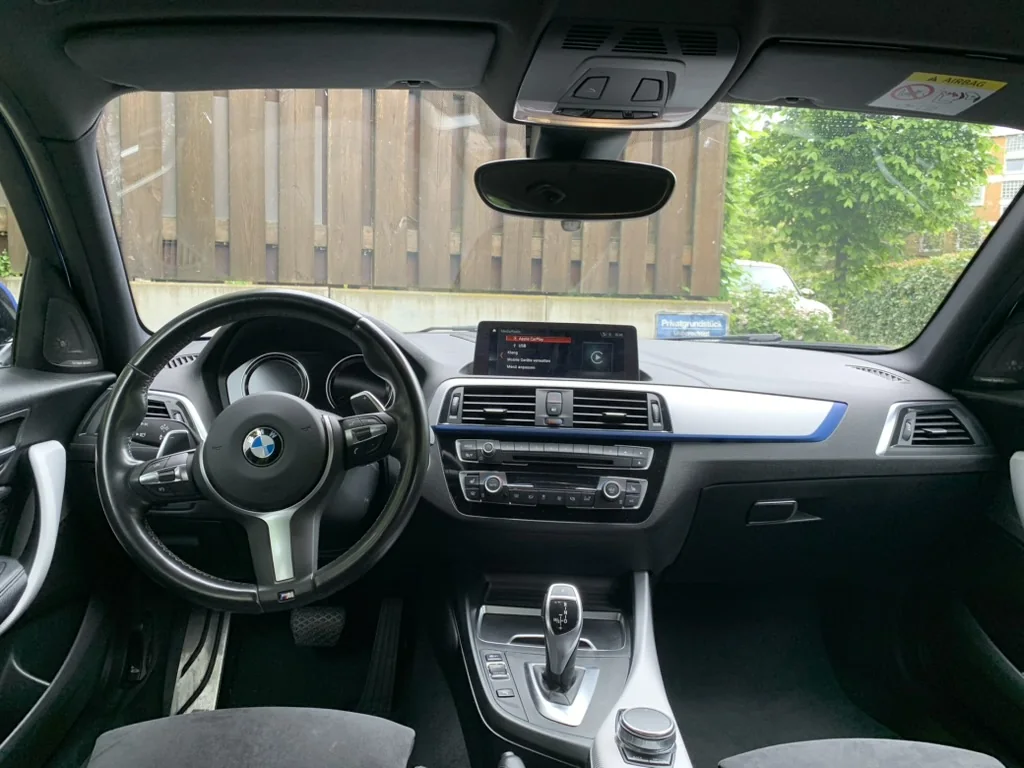
Note the iDrive version, what was in use when the problem began, and whether the display, sound, controls, or connected phone were affected. Separate a phone connection problem from a system-wide restart or complete loss of power.
While parked, follow the documented restart method for the fitted system if appropriate. Do not assume one button sequence applies to every BMW. A restart and a factory-data reset are different actions, and a factory reset may remove profiles, pairings, and saved information.
Repeated freezing after a restart needs assessment. Possible areas include supply, connections, software, storage, display hardware, or the head unit. A screenshot of a frozen screen cannot decide which component needs replacement.
Before software work, confirm applicability, data implications, and the required power support. An update should address a supported issue. It should not be sold as universal protection against electrical failures or used to conceal an unresolved hardware problem.
Test smart charging in context
Modern BMW charging behavior can vary with operating conditions and system strategy. A single voltage reading while parked or idling is not a complete alternator or battery diagnosis. The measurement point, load, temperature, charge condition, and fitted architecture matter.
A technician may need loaded measurements, voltage-drop checks, relevant control data, and inspection of associated wiring or drive components. Hybrid and electric models may use different low-voltage supply arrangements from a conventional engine-driven alternator.
Never disconnect a battery terminal while the vehicle is running as an alternator test. Do not rev the engine and judge charging health solely from headlight brightness. These shortcuts do not provide a reliable system diagnosis.
For an intermittent charging concern, record the exact warning and circumstances. A fault appearing with several electrical loads may need testing under those conditions. The result should support the proposed repair instead of relying on battery age alone.
Investigate discharge after parking
Begin with the parking duration, recent journey pattern, and anything left connected. Dash cameras, trackers, chargers, aftermarket equipment, and a module that remains awake are possible areas to assess. Their presence alone does not prove that they caused the discharge.
Parasitic-draw testing must allow the vehicle to reach its applicable parked state. Opening doors, keeping a key nearby, or connecting equipment can wake systems and change the reading. A generic waiting time or current limit is not suitable for every model.
Do not pull random fuses as a routine owner experiment. It can disturb module behavior and remove useful evidence. Controlled measurement and isolation should follow the vehicle's circuit information and diagnostic procedure.
For infrequent use, discuss a compatible maintenance charger and the correct connection points. Match the charger to the fitted battery and follow the manual. A charger can support storage needs; it does not repair a faulty battery or an abnormal drain.
Replace a battery when the evidence supports it
Age helps interpret condition, but an automatic replacement every three or four years is not a diagnosis. Use the relevant test findings, operating history, physical condition, and application requirements.
Confirm chemistry, capacity, performance rating, dimensions, venting where required, and the approved fitment. Do not assume every BMW uses the same AGM battery. Some vehicles have auxiliary batteries or other voltage systems that need different parts and procedures.
Battery registration records a replacement where required by the vehicle. A change in approved type or capacity may involve additional coding, depending on the application. Registration and coding are related tasks with different purposes, not interchangeable descriptions of every battery replacement.
Ask for the post-replacement checks and any unresolved discharge investigation. The completion record should identify the fitted battery and work performed so a future technician does not have to reconstruct it from appearance.
Compare electrical repair prices by scope
There is no useful single price for an electrical issue. A battery replacement, localized wiring repair, supply diagnosis, control-unit repair, and module replacement are different jobs. The scan fee alone does not necessarily include finding an intermittent fault.
As a scoped reference, the existing BMW 528i battery replacement estimate lists AED 1,250 to AED 1,500 before VAT for its stated battery-related work. Adding 5% VAT gives AED 1,312.50 to AED 1,575. Confirm generation, battery, fitting, and required registration in the written estimate.
That example is not a universal BMW price. It excludes an assumed repair to every cause of battery drain and should not be applied to traction batteries or a different electrical architecture. No coverage period is promised here; request the actual written terms.
| Repair route | What should appear in the estimate |
|---|---|
| Charge and reassess | Charging method, test scope, labor, and the plan for recurrent discharge |
| Replace a confirmed failed battery | Exact battery, fitting, registration where required, additional coding if applicable, and VAT |
| Repair wiring or a connection | Located fault, repair method, access work, materials, and verification |
| Repair or replace a module | Evidence of failure, part condition and number, programming or coding, and compatibility |
| Investigate intermittent draw | Agreed diagnostic time, measurement approach, reporting, and approval before further work |
Do not accept an ECU, alternator, or screen replacement solely because it appears in a broad symptom list. A cheaper repair can be appropriate when testing identifies a repairable connection or localized circuit fault, but the decision must fit the findings.
Use one practical prevention checklist
- Follow the vehicle's maintenance requirements and act on recurring warning messages.
- Keep liquids away from cabin electronics and investigate water ingress promptly.
- Have visible wiring damage, damaged covers, or loose battery retention assessed.
- Use compatible accessories and have permanent installations fitted correctly.
- Record unusual discharge, starting behavior, or recurring faults rather than repeatedly resetting them.
- Plan suitable battery support for extended storage according to the manual.
- Investigate oil or coolant leaks that could reach electrical equipment.
Heat, moisture, and use patterns can influence component condition. They do not prove the cause of a particular fault or justify a universal six-month scan. Inspections should follow maintenance needs, symptoms, history, or an identified concern.
For a leak near wiring or electrical equipment, trace the BMW oil leak to its actual source. Removing contamination without correcting the leak can leave the same exposure in place.
Prepare for a focused electrical assessment
Bring the VIN, mileage, warning photos taken while parked, battery and repair invoices, accessory details, and the time pattern of the fault. Explain what has already been reset, charged, disconnected, or replaced.
Agree on the initial diagnostic scope and require approval before additional investigation or parts. The useful outcome is a supported cause, a clear repair choice, and verification under relevant conditions. Discuss the appropriate BMW diagnostic and repair services for your complaint at Al Quoz 4, Dubai.
BMW electrical questions
Does a new battery fix every discharge warning
No. The battery may be low on charge, damaged, incorrectly specified, or affected by a charging or parked-draw problem. Test the battery and investigate why the warning occurred.
Can one fault produce several dashboard warnings
Yes, a shared supply or communication issue can affect several systems. Preserve fault records and test the suspected common cause, then reassess any remaining warnings individually.
Is an iDrive restart the same as a factory reset
No. Follow the instructions for the fitted system and understand possible data loss before a factory reset. Repeated faults after a restart still need investigation.
Should I replace an ECU to prevent future problems
No. Replacement needs a supported reason. Routine maintenance and sensible precautions cannot guarantee that electronics will never fail, and speculative module replacement is not a prevention plan.
Need help with your BMW?
Tell the garage what you have noticed, what you want checked and which BMW you drive. The team can explain the sensible next step before you book.